Smartwatches, while incredibly convenient, sometimes present frustrating challenges. This guide tackles two prevalent issues: significantly reduced battery life and persistent connectivity problems. We’ll explore common causes, offer practical solutions, and empower you to troubleshoot these issues effectively, maximizing your smartwatch experience.
From optimizing power settings and managing applications to resolving Bluetooth pairing difficulties and Wi-Fi connection drops, we provide clear, step-by-step instructions to help you regain control and enjoy seamless functionality. We’ll also address less common issues and provide preventative measures to avoid future problems.
Smartwatch Battery Drain
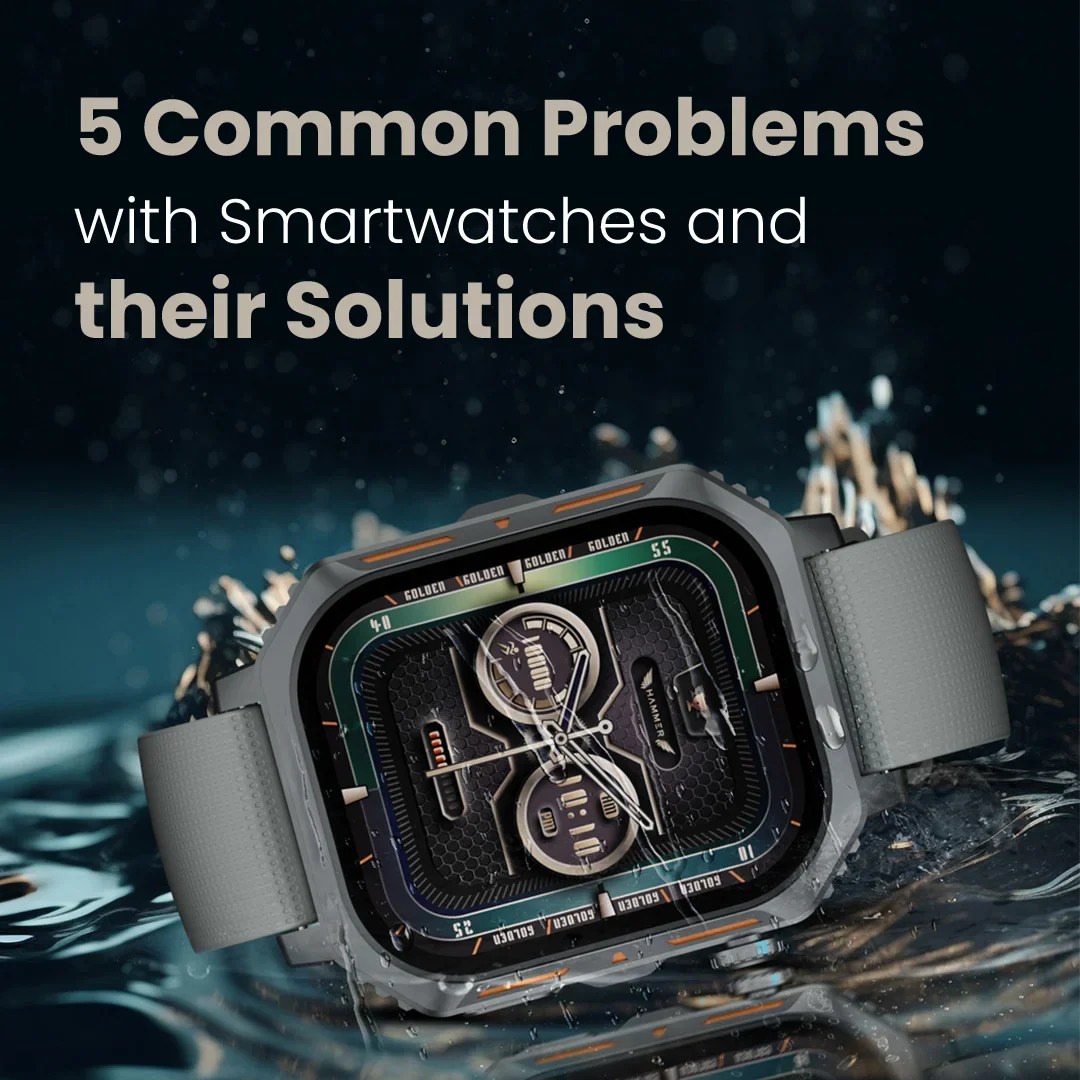
Smartwatch battery life can be a frustrating issue, especially when you rely on your device for fitness tracking, notifications, and more. Rapid battery depletion can stem from several factors, and understanding these is the first step towards solving the problem. This section will explore common causes of reduced battery life and offer practical solutions to optimize your smartwatch’s power consumption.
Several factors contribute to rapid smartwatch battery drain. High screen brightness, constant background app activity, and the use of GPS or heart rate monitoring for extended periods are major culprits. Furthermore, the age of the battery itself plays a significant role; older batteries naturally degrade over time, resulting in shorter lifespans. Finally, certain watch faces, especially those with complex animations or always-on displays, consume more power than simpler alternatives.
Optimizing Smartwatch Power Settings
To extend battery life, carefully adjusting your smartwatch’s power settings is crucial. This involves a systematic approach to manage various features that impact power consumption.
- Reduce Screen Brightness: Lowering your screen’s brightness significantly reduces power consumption. Aim for a setting that’s comfortable in your typical environment, but not excessively bright.
- Deactivate Always-On Display: If your smartwatch offers an always-on display, consider disabling it. While convenient, this feature constantly illuminates the screen, draining the battery quickly.
- Limit Background App Activity: Many apps run in the background, consuming resources even when not actively used. Review your installed apps and disable background activity for those you rarely use.
- Adjust Screen Timeout: Shorten the screen timeout setting. This automatically turns off the screen after a short period of inactivity, saving battery life.
- Disable Wi-Fi and Bluetooth When Not Needed: These wireless connections consume power even when idle. Turn them off when you don’t need them.
Extending Battery Life Through App Management and Usage Habits
Beyond power settings, your app usage and habits significantly influence battery life. Careful management of applications and mindful usage can greatly improve performance.
Regularly uninstall apps you no longer use. Apps, even when not actively used, can still consume background resources. Limit the use of GPS and heart rate monitoring to necessary times, as these features are particularly power-intensive. Consider using power-saving modes offered by your smartwatch’s operating system. These modes typically limit background activity and reduce certain features to extend battery life. Finally, regularly restarting your smartwatch can help clear temporary files and processes that may be consuming unnecessary power.
Smartwatch Battery Life Comparison
| Smartwatch Model | Typical Battery Life (Hours) | Factors Affecting Battery Life | Power Saving Features |
|---|---|---|---|
| Apple Watch Series 8 | 18-24 | Screen brightness, GPS usage, workout intensity | Low Power Mode, Optimized Battery Charging |
| Samsung Galaxy Watch 5 | 24-40 | Heart rate monitoring frequency, app usage, display settings | Power saving mode, sleep tracking optimization |
| Garmin Forerunner 255 | Up to 14 days (GPS off), Up to 30 hours (GPS on) | GPS usage duration, workout intensity, sensor usage | Multiple power saving modes, configurable data recording |
| Fitbit Versa 4 | 6-7 days | Screen brightness, app notifications, workout intensity | Power saving mode, automatic sleep tracking |
Connectivity Issues (Bluetooth & Wi-Fi)

Smartwatch connectivity problems, whether with Bluetooth or Wi-Fi, can be frustrating. These issues often stem from simple configuration errors or minor software glitches, but sometimes indicate more significant problems. This section will guide you through troubleshooting steps to restore a stable connection. We’ll cover Bluetooth pairing with your smartphone and resolving intermittent or lost Wi-Fi connections on your smartwatch.
Bluetooth Pairing Problems
Troubleshooting Bluetooth connectivity issues with your smartphone usually involves checking several key areas. A successful pairing requires both your smartphone and smartwatch to be discoverable and within range. Incorrect pairing procedures or software bugs can also disrupt the connection.
- Check Bluetooth Status on Both Devices: Ensure Bluetooth is enabled on both your smartphone and smartwatch. Look for the Bluetooth icon in your smartphone’s settings and on your smartwatch’s quick settings menu.
- Restart Both Devices: A simple restart often resolves temporary software glitches that interfere with Bluetooth connectivity. Power cycle both your smartphone and smartwatch, then try pairing again.
- Forget and Re-pair the Devices: If a restart doesn’t work, remove your smartwatch from your smartphone’s list of paired devices (“forget” the device). Then, initiate a fresh pairing process from scratch, following the instructions in your smartwatch’s manual.
- Check for Software Updates: Outdated software on either your smartphone or smartwatch can cause compatibility issues. Update both devices to the latest available versions.
- Check Distance and Obstacles: Ensure your smartphone and smartwatch are within the Bluetooth range (typically around 10 meters, but this can vary). Physical obstacles like walls or electronic devices can interfere with the signal.
- Check for Interference: Other Bluetooth devices in close proximity can interfere with the connection. Try temporarily disabling other Bluetooth devices to see if it improves connectivity.
Intermittent or Lost Wi-Fi Connections
Intermittent or lost Wi-Fi connections on your smartwatch can be caused by several factors, including network issues, smartwatch software problems, or incorrect network settings. Addressing these potential causes will help to resolve the connectivity problem.
- Check Wi-Fi Network Status: Verify that your home Wi-Fi network is working correctly on other devices. If other devices cannot connect, the problem lies with your router or internet service provider, not your smartwatch.
- Check Smartwatch’s Wi-Fi Settings: Ensure your smartwatch is correctly connected to your Wi-Fi network. Check for typos in the network name (SSID) and password.
- Restart Your Smartwatch and Router: Restarting both your smartwatch and your Wi-Fi router can often resolve temporary glitches affecting connectivity. Unplug the router, wait 30 seconds, and plug it back in.
- Forget and Re-connect to the Network: If restarting doesn’t work, remove your Wi-Fi network from your smartwatch’s saved networks and then reconnect, ensuring you enter the correct credentials.
- Check for Software Updates: As with Bluetooth, outdated smartwatch software can cause Wi-Fi problems. Update your smartwatch to the latest software version.
- Check for Network Interference: Certain electronic devices or physical obstacles can interfere with Wi-Fi signals. Try moving your smartwatch closer to your router.
Checking and Resolving Network Settings
Correct network settings are crucial for both Bluetooth and Wi-Fi connectivity. Incorrectly configured settings can lead to connection failures. Verifying and adjusting these settings can often resolve connectivity issues.
The process for checking and resolving network settings varies depending on your smartwatch’s operating system and model. Generally, you’ll find network settings within the smartwatch’s settings menu, usually under “Connectivity” or “Network.” Look for options to manage Wi-Fi networks, Bluetooth devices, and any other network connections. You can usually manually add or remove networks, view network strength, and forget saved networks from this menu. If you encounter difficulties, consult your smartwatch’s user manual for specific instructions.
Troubleshooting Connectivity Problems Flowchart
A flowchart can visually represent the troubleshooting process. Imagine a flowchart with a starting point “Connectivity Problem?”. This branches into “Bluetooth” and “Wi-Fi” paths. Each path then features steps like “Check Bluetooth/Wi-Fi Status,” “Restart Devices,” “Check Network Settings,” and “Update Software.” Successful connection at any step leads to the end point “Problem Solved,” while unsuccessful steps lead to the next step in the sequence. If all steps fail, it indicates a potential hardware or more complex software issue requiring further investigation or professional help.
Slow Performance & Freezing
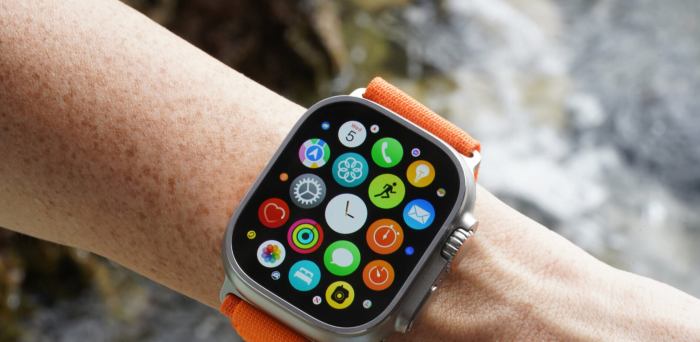
Smartwatches, like smartphones, can sometimes experience slow performance or unexpected freezing. This can be frustrating, interrupting your workflow and overall user experience. Several factors can contribute to this issue, ranging from software glitches to insufficient resources. Understanding these causes allows for effective troubleshooting.
Software Issues Contributing to Slow Performance
Several software-related issues can cause your smartwatch to slow down or freeze. These include outdated operating systems, corrupted system files, and poorly coded or resource-intensive applications. An outdated operating system may lack performance optimizations and security patches that address known bugs. Corrupted system files, often the result of incomplete updates or software crashes, can disrupt normal operation. Finally, apps that are poorly designed or demand excessive resources can strain the smartwatch’s processing power and memory, leading to slowdowns and freezes.
Restarting or Soft Resetting the Smartwatch
A simple restart, often referred to as a soft reset, is frequently the first and most effective solution for resolving minor performance issues. This process clears the smartwatch’s temporary memory and closes any errant processes. The method varies slightly depending on the smartwatch model, but generally involves holding down a power button for a specified duration (often 10-20 seconds) until the device restarts. For example, some smartwatches require a combination of buttons to initiate a restart. Consult your smartwatch’s user manual for the precise instructions specific to your device. A soft reset is a non-destructive process; it won’t erase any data.
Uninstalling Unused Apps to Improve Performance
Apps, even those seemingly inactive, consume resources in the background. Uninstalling apps you no longer use frees up valuable storage space and processing power, directly improving the smartwatch’s performance. This is particularly important if your smartwatch has limited storage capacity. To uninstall an app, typically navigate to the app’s settings within the smartwatch’s interface, select “uninstall” or a similar option, and confirm the action. Remember to review your installed apps periodically to identify and remove those that are no longer needed.
Recommended Steps Before Seeking Professional Assistance
Before contacting customer support or taking your smartwatch to a repair center, consider these troubleshooting steps:
- Perform a soft reset as described above.
- Uninstall unused or rarely used applications.
- Check for and install any available software updates for both the smartwatch and its paired smartphone.
- Ensure sufficient available storage space on your smartwatch.
- Try disconnecting and reconnecting the smartwatch to your smartphone to rule out connectivity problems.
These steps address common causes of slow performance and freezing. If the problem persists after trying these solutions, then professional assistance may be necessary.
Closing Notes
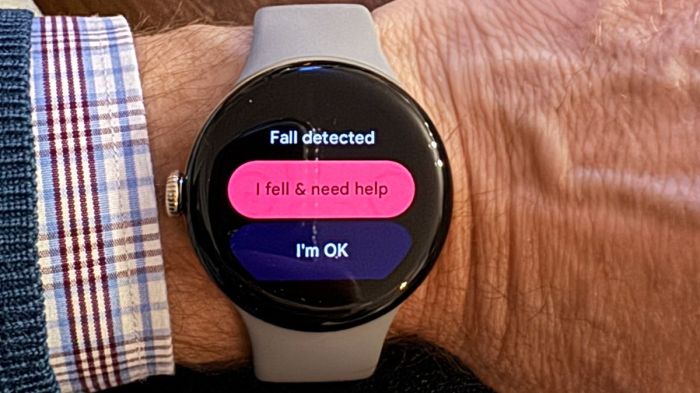
By understanding the common causes of battery drain and connectivity issues, and by implementing the troubleshooting steps Artikeld in this guide, you can significantly improve the performance and longevity of your smartwatch. Remember that proactive app management and regular software updates contribute to a smoother, more efficient user experience. We hope this guide has equipped you with the knowledge and confidence to tackle these common smartwatch problems independently.