Hybrid car cooling systems, while efficient, present unique challenges. Understanding their intricacies is crucial for preventing costly repairs and ensuring optimal vehicle performance. This guide provides a comprehensive 10-step diagnostic procedure to tackle seven common cooling system problems in hybrid vehicles, empowering you to identify issues quickly and effectively.
We’ll explore the specific symptoms associated with each problem, delve into potential causes, and offer practical solutions, including preventative maintenance strategies. From understanding the impact of regenerative braking on the cooling system to mastering a coolant flush, this guide equips you with the knowledge to maintain your hybrid’s cooling system and avoid breakdowns.
Identifying Cooling System Problems in Hybrid Cars
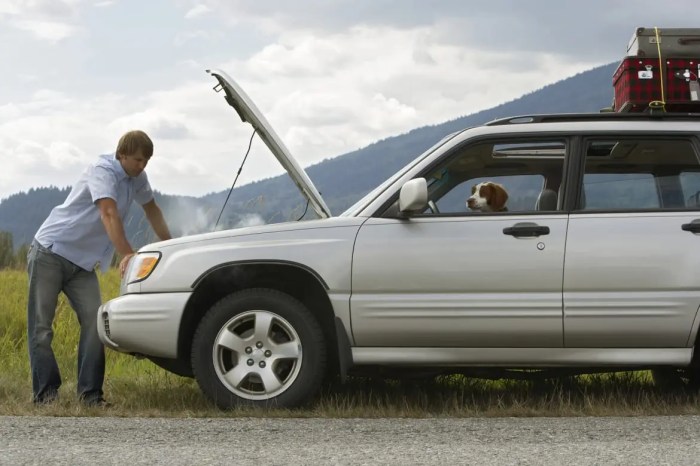
Hybrid vehicles, while offering fuel efficiency and reduced emissions, possess unique cooling system complexities compared to traditional internal combustion engine (ICE) vehicles. Understanding these intricacies is crucial for diagnosing and resolving potential issues effectively. The increased heat generation from both the ICE and the electric motor necessitates a more robust and sophisticated cooling system. Failure to address cooling system problems can lead to significant damage and costly repairs.
Seven Common Cooling System Problems in Hybrid Vehicles
The following points detail seven frequently encountered cooling system problems in hybrid cars. These issues stem from the integrated nature of the hybrid powertrain and its increased thermal demands. Early detection and appropriate intervention are vital to maintaining optimal vehicle performance and longevity.
- Coolant Leaks: Leaks can occur in hoses, radiators, water pumps, or the engine block itself, leading to coolant loss and overheating.
- Radiator Fan Malfunction: A faulty radiator fan, either failing to activate or operating inefficiently, compromises the system’s ability to dissipate heat.
- Thermostat Issues: A stuck-open or stuck-closed thermostat prevents proper coolant flow regulation, leading to either insufficient or excessive engine cooling.
- Water Pump Failure: A malfunctioning water pump fails to circulate coolant effectively, resulting in overheating and potential engine damage.
- Coolant Contamination: Contamination from oil, combustion byproducts, or other substances can reduce coolant effectiveness and lead to corrosion within the system.
- Hybrid Battery Cooling System Failure: The high-voltage battery requires its own cooling system, and failure here can severely impact vehicle performance and safety.
- Insufficient Coolant Level: Simply having a low coolant level, due to leaks or evaporation, can lead to overheating and system damage.
Comparison of Cooling System Problem Symptoms
The following table compares the symptoms, potential causes, and severity levels of the seven cooling system problems Artikeld above. Note that some symptoms may overlap, requiring a thorough diagnostic process to pinpoint the root cause.
| Problem | Symptoms | Potential Causes | Severity Level |
|---|---|---|---|
| Coolant Leaks | Low coolant level, puddles under vehicle, white steam from engine compartment | Holes in hoses, radiator leaks, cracked engine block | Medium to High (depending on leak severity) |
| Radiator Fan Malfunction | Overheating, especially during idling or slow driving | Faulty fan motor, wiring issues, faulty fan control module | Medium |
| Thermostat Issues | Overheating or engine taking too long to reach operating temperature | Stuck-open or stuck-closed thermostat | Medium |
| Water Pump Failure | Overheating, lack of coolant circulation | Worn-out bearings, impeller damage, seized pump | High |
| Coolant Contamination | Reduced coolant effectiveness, corrosion, sludge buildup | Oil leaks, combustion byproducts, improper coolant mixture | Medium to High (depending on contamination level) |
| Hybrid Battery Cooling System Failure | Reduced battery performance, overheating warnings, limited vehicle operation | Faulty cooling pump, clogged coolant passages, leaks in the battery cooling system | High |
| Insufficient Coolant Level | Overheating, low coolant warning light | Leaks, evaporation, improper coolant fill | Medium (can become high if ignored) |
Regenerative Braking and Cooling System Impact
Regenerative braking, a key feature of hybrid vehicles, converts kinetic energy during braking into electrical energy, recharging the battery. This process, however, generates additional heat within the system. The increased thermal load placed on the cooling system due to regenerative braking can accelerate wear and tear on components, particularly the battery cooling system and the coolant itself. This increased heat load can also contribute to potential failure points in these areas, highlighting the importance of regular maintenance and monitoring of the cooling system in hybrid vehicles. For example, excessive regenerative braking in stop-and-go city traffic can significantly increase the temperature of the battery and coolant, potentially leading to premature component failure if the cooling system is not adequately sized or maintained.
10-Step Diagnostic Procedure for Hybrid Car Cooling Systems
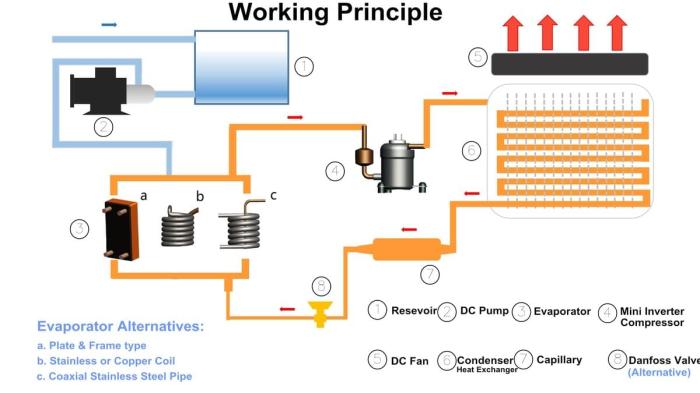
Accurately diagnosing cooling system problems in hybrid vehicles requires a systematic approach. The complexity of hybrid systems, with their additional components like the high-voltage battery and its cooling loop, necessitates a careful and methodical diagnostic procedure. Ignoring even seemingly minor issues can lead to significant damage and costly repairs. This 10-step procedure provides a structured approach to identifying and addressing cooling system concerns in your hybrid car.
Step-by-Step Diagnostic Procedure
This section details a ten-step diagnostic procedure for hybrid vehicle cooling systems. Each step builds upon the previous one, leading to a more precise diagnosis. Remember to always consult your vehicle’s service manual for specific safety precautions and component locations.
- Visual Inspection: Begin with a thorough visual inspection of the entire cooling system. Look for leaks, loose connections, damaged hoses, or signs of corrosion on components such as the radiator, coolant reservoir, and expansion tank. Pay close attention to the areas around the engine, transmission, and high-voltage battery, as these are common locations for coolant leaks. Note any discoloration of coolant (milky or rusty appearance) which could indicate contamination.
- Coolant Level Check: Check the coolant level in the expansion tank with the engine cold. The level should be within the marked “min” and “max” lines. Low coolant levels can indicate a leak somewhere in the system. Note the coolant’s condition—is it clean, or is it cloudy, rusty, or oily?
- Coolant Temperature Check: Monitor the coolant temperature gauge on the instrument panel. A consistently high temperature reading suggests a problem with the cooling system’s ability to dissipate heat. Note the temperature reading both at idle and under load (driving).
- Pressure Test: Use a cooling system pressure tester to check for leaks under pressure. This test helps identify small leaks that might not be visible during a visual inspection. Carefully follow the instructions provided with the pressure tester. A significant drop in pressure over time indicates a leak.
- Thermostat Check: The thermostat regulates coolant flow. A faulty thermostat can prevent coolant from circulating properly, leading to overheating. Check the thermostat’s operation by feeling the upper radiator hose. It should become hot once the engine reaches operating temperature. If it remains cold, the thermostat may be stuck closed.
- Water Pump Inspection: Visually inspect the water pump for leaks or damage. Listen for any unusual noises emanating from the water pump, which could indicate bearing failure. A malfunctioning water pump is unable to circulate coolant effectively.
- Radiator Fan Check: Ensure that the radiator fan(s) are functioning correctly. They should turn on when the engine reaches a certain temperature. Test this by observing the fan operation during idle and while the engine is under load. A malfunctioning fan reduces cooling efficiency.
- High-Voltage Battery Cooling System Check (Hybrid Specific): Hybrid vehicles have a separate cooling system for the high-voltage battery. Inspect this system for leaks, obstructions, or signs of damage. Consult your vehicle’s service manual for specifics on accessing and inspecting this component. This system is crucial for preventing battery overheating.
- OBD-II Diagnostic Scan: Use an OBD-II scanner to retrieve diagnostic trouble codes (DTCs) from the vehicle’s computer. These codes can provide valuable information about potential cooling system problems. Note any codes related to coolant temperature, fan operation, or other cooling system components.
- Component Testing (if necessary): Based on the results of the previous steps, specific components may require further testing. For example, you might need to test the thermostat with a multimeter or replace a suspected faulty component for verification. This step requires specialized tools and knowledge.
Safety Precautions
Working on a vehicle’s cooling system involves handling hot surfaces and potentially corrosive fluids. Always allow the engine to cool completely before performing any inspections or repairs. Wear appropriate safety gear, including gloves and eye protection. Never attempt to open the radiator cap or pressure test the system while the engine is hot. When working with a hybrid vehicle, always disconnect the high-voltage battery before performing any repairs near high-voltage components.
Solutions and Preventative Maintenance
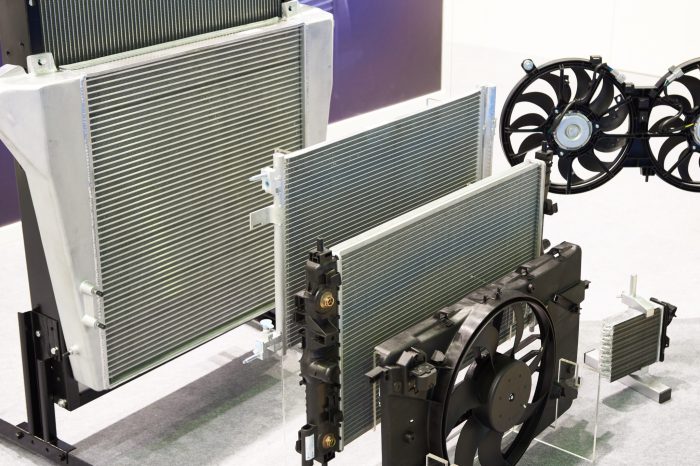
Addressing cooling system issues in hybrid vehicles requires a multifaceted approach encompassing both immediate solutions and proactive preventative measures. Understanding the root cause of the problem is crucial before implementing any repair. Ignoring minor issues can lead to more significant and costly repairs down the line, potentially impacting the vehicle’s efficiency and longevity.
The following Artikels solutions for the seven cooling system problems previously identified, followed by a discussion on preventative maintenance strategies and a detailed guide for flushing and refilling the cooling system.
Solutions for Cooling System Problems
The solutions provided below are general guidelines. Specific repair procedures may vary depending on the vehicle’s make, model, and year. Always consult your vehicle’s repair manual or a qualified mechanic for precise instructions.
- Problem 1: Low Coolant Level: Solution: Top off the coolant reservoir with the correct type and concentration of coolant as specified in your owner’s manual. If the leak persists, locate and repair the leak.
- Problem 2: Leaking Radiator: Solution: Repair or replace the radiator. Minor leaks may be repairable with a sealant, but significant leaks require radiator replacement.
- Problem 3: Leaking Water Pump: Solution: Replace the water pump. A leaking water pump will prevent proper coolant circulation, leading to overheating.
- Problem 4: Faulty Thermostat: Solution: Replace the thermostat. A malfunctioning thermostat can prevent the engine from reaching optimal operating temperature or cause it to overheat.
- Problem 5: Clogged Radiator: Solution: Flush the radiator to remove debris and restore proper coolant flow. A severely clogged radiator may need replacement.
- Problem 6: Damaged Coolant Hoses: Solution: Replace any damaged or cracked coolant hoses. Ensure the replacement hoses are the correct size and type for your vehicle.
- Problem 7: Faulty Cooling Fan: Solution: Replace the cooling fan motor or relay. A malfunctioning cooling fan will hinder the cooling system’s ability to dissipate heat.
Preventative Maintenance for Hybrid Car Cooling Systems
Regular preventative maintenance is vital for extending the life of your hybrid car’s cooling system and preventing costly repairs. Proactive measures are particularly important in hybrid vehicles due to the integrated nature of their cooling systems, which manage both the internal combustion engine and the electric motor.
Regular coolant flushes are essential, typically every 2-3 years or as recommended in your owner’s manual. This removes contaminants and prevents corrosion.
Inspect all hoses, clamps, and connections for leaks or damage at least annually. Replace any worn or damaged components immediately.
Have your cooling system pressure tested periodically to detect leaks that might not be immediately apparent.
Regularly check the coolant level and ensure it’s within the specified range. Use the correct type of coolant for your vehicle.
Flushing and Refilling a Hybrid Car’s Cooling System
Flushing and refilling the cooling system is a crucial preventative maintenance task. Improper procedures can damage the system, so carefully follow these steps. Always allow the engine to cool completely before starting this procedure.
- Gather Supplies: You will need new coolant (the correct type for your vehicle), distilled water, a drain pan, a funnel, a coolant recovery tank, and appropriate tools (such as wrenches and screwdrivers).
- Locate Drain Plug: Consult your vehicle’s repair manual to locate the radiator drain plug and engine block drain plug (if applicable).
- Drain Coolant: Place the drain pan under the drain plug(s) and carefully open them to drain the old coolant. This may take some time.
- Flush the System: Once drained, refill the radiator with a mixture of distilled water and coolant cleaner (following the cleaner’s instructions). Run the engine for a short period to circulate the cleaner, then drain again.
- Refill with New Coolant: After flushing, refill the radiator with the correct mixture of coolant and distilled water, as specified in your owner’s manual. Typically, this is a 50/50 mix.
- Bleed the System: Some systems require bleeding to remove air pockets. Consult your owner’s manual for the proper bleeding procedure. This often involves opening a bleed valve at the highest point in the cooling system.
- Check Coolant Level: Once the system is refilled, check the coolant level in the reservoir and top off as needed. Run the engine to operating temperature and check for leaks.
- Dispose of Old Coolant Properly: Coolant is hazardous waste and must be disposed of properly according to local regulations.
Closing Notes
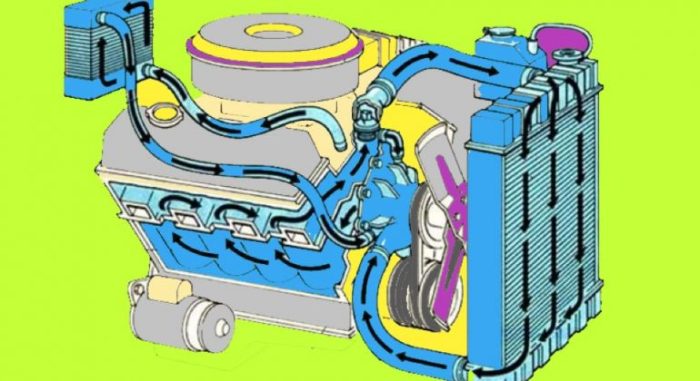
Maintaining your hybrid car’s cooling system is essential for both performance and longevity. By following the 10-step diagnostic procedure Artikeld in this guide and implementing regular preventative maintenance, you can significantly reduce the risk of costly repairs and ensure your vehicle operates at peak efficiency. Remember, early detection and proactive maintenance are key to a healthy and reliable hybrid cooling system.