Flat tires, tread wear, and other truck tire issues can bring your journey to a screeching halt. But what if you could quickly diagnose and fix many common problems in just ten minutes? This guide equips you with the knowledge and steps to tackle seven frequently encountered truck tire problems, saving you time, money, and potential roadside headaches. We’ll explore simple solutions, preventative measures, and provide you with the confidence to handle minor tire repairs efficiently and safely.
From identifying the telltale signs of a problem to performing quick fixes and implementing long-term preventative maintenance, we’ll cover everything you need to know to keep your truck’s tires in top shape. Understanding the causes, symptoms, and appropriate solutions will not only extend the lifespan of your tires but also enhance your overall driving safety and fuel efficiency. Let’s get started on the road to better tire maintenance.
Identifying Common Truck Tire Problems
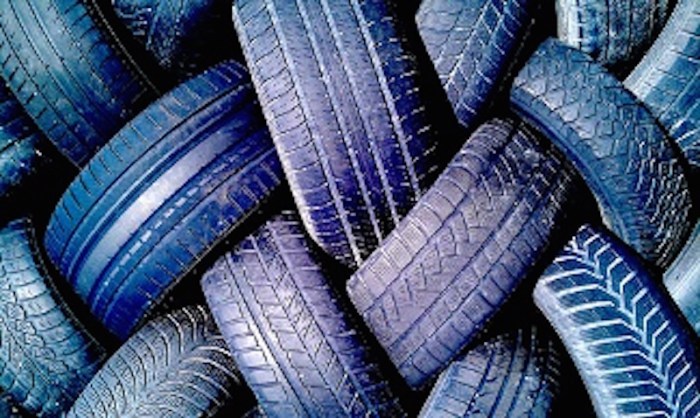
Truck tire problems can significantly impact safety and fuel efficiency. Regular inspection and prompt attention to potential issues are crucial for maintaining optimal performance and preventing costly repairs. This section details seven common truck tire problems, their causes, symptoms, and initial assessment methods. Understanding these issues allows for quicker diagnosis and appropriate action.
Common Truck Tire Problems: Causes, Symptoms, and Initial Assessment
The following table summarizes seven frequently encountered truck tire problems. Note that visual inspection is often the first step in diagnosis, but professional assessment may be needed for complex issues.
| Problem | Cause | Symptoms | Initial Assessment |
|---|---|---|---|
| Uneven Wear (Feathering) | Improper alignment, worn suspension components, or under-inflation. | One side of the tread wears faster than the other; tire feels rough when rotated. | Visually inspect the tread for uneven wear patterns. Check for cupping or feathering along the edges. |
| Cupping | Worn shocks or struts, imbalanced wheels, or damaged tires. | Tread shows a pattern of alternating high and low spots; tire vibrates while driving. | Observe the tread pattern closely for a rhythmic pattern of raised and depressed areas. Feel the tire surface for unevenness. |
| Excessive Wear in the Center | Over-inflation. | The center of the tread is significantly worn compared to the edges. | Measure tire pressure and compare to the recommended PSI. Examine the tread for a pronounced wear pattern in the middle. |
| Excessive Wear on the Edges | Under-inflation. | The edges of the tread are significantly worn compared to the center. | Measure tire pressure and compare to the recommended PSI. Examine the tread for wear concentrated on the outer edges. |
| Tire Punctures | Road debris, sharp objects. | Sudden loss of air pressure, visible hole or puncture in the tire sidewall or tread. | Check tire pressure. Inspect the tire carefully for any visible damage. |
| Bulges or Blisters | Internal tire damage, impact damage, or overloading. | Visible bulge or blister on the tire sidewall; tire feels soft or spongy in the affected area. | Inspect the tire sidewalls for any unusual swelling or deformation. |
| Cracking | Age, exposure to UV light, extreme temperatures, or chemical exposure. | Small cracks or larger fissures visible on the tire sidewall or tread. | Carefully examine the tire for cracks, paying attention to the sidewalls and tread. Feel for any weakness or separation in the tire structure. |
Tire Problem Diagnostic Flowchart
A systematic approach to diagnosing tire problems can save time and ensure the correct course of action. The following flowchart Artikels a step-by-step process.
Start: Inspect tires visually for obvious damage (punctures, bulges, cracks).
Yes (Obvious Damage): Address the specific damage (repair or replacement).
No (No Obvious Damage): Check tire pressure.
Pressure Incorrect: Inflate/deflate to recommended PSI. Monitor for further wear.
Pressure Correct: Inspect tread wear patterns (center, edges, uneven).
Uneven Wear: Check alignment and suspension. Consider wheel balancing.
Center Wear: Check for over-inflation.
Edge Wear: Check for under-inflation.
No Specific Wear Pattern: Consider tire age and condition. Consult a tire professional.
End
Quick Fixes for Truck Tire Problems (Under 10 Minutes)
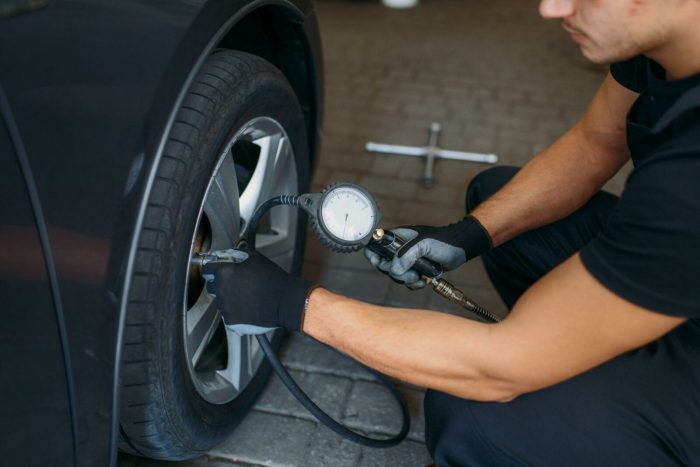
Many truck tire issues can be addressed quickly, preventing further damage and ensuring safer driving. These quick fixes are temporary solutions and shouldn’t replace professional tire repair or replacement when necessary. Always prioritize safety and, if unsure about any procedure, consult a qualified mechanic.
Low Tire Pressure
Addressing low tire pressure promptly improves fuel efficiency, handling, and tire lifespan. Ignoring it can lead to premature wear and potential blowouts.
- Locate the tire pressure gauge and your truck’s recommended tire pressure (usually found in the owner’s manual or on a sticker inside the driver’s side doorjamb).
- Unscrew the valve cap on the under-inflated tire.
- Attach the tire pressure gauge to the valve stem and check the current pressure.
- Using a portable air compressor or an air hose at a gas station, add air to the tire until it reaches the recommended pressure. Monitor the gauge closely to avoid overinflation.
- Once the correct pressure is reached, remove the gauge and replace the valve cap.
- Repeat the process for all tires.
Small Punctures
Small punctures, often caused by nails or screws, can sometimes be temporarily sealed with a tire sealant. However, this is a temporary fix and professional repair is recommended.
- Clean the puncture area thoroughly to remove any debris.
- Insert the tire sealant applicator nozzle into the puncture.
- Follow the sealant manufacturer’s instructions for application, usually involving pushing the sealant into the puncture.
- Inflate the tire to the recommended pressure.
- Monitor the tire pressure regularly, as the sealant may not hold indefinitely. A professional repair is still necessary.
Tire Punctures Requiring Temporary Repair Kits
Temporary tire repair kits offer a short-term solution for punctures that don’t damage the tire’s sidewall. They are not a permanent solution.
- Locate the puncture and remove any embedded object carefully.
- Clean the puncture area thoroughly.
- Insert the repair plug into the applicator tool, following the kit instructions.
- Push the plug into the puncture hole until it is flush with the tire surface.
- Inflate the tire to the recommended pressure.
- Monitor the tire pressure regularly, as this is only a temporary solution.
Flat Tire
A flat tire requires immediate attention. Changing a tire is a crucial skill for any truck owner.
- Park on a level, stable surface away from traffic.
- Engage the parking brake firmly.
- Locate the spare tire, jack, lug wrench, and owner’s manual.
- Loosen the lug nuts slightly using the lug wrench before jacking up the vehicle.
- Position the jack according to the owner’s manual, ensuring it’s securely placed under the vehicle’s frame near the flat tire.
- Raise the vehicle until the flat tire is off the ground.
- Remove the lug nuts completely and carefully remove the flat tire.
- Mount the spare tire, aligning the lug holes.
- Tighten the lug nuts by hand.
- Lower the vehicle using the jack.
- Tighten the lug nuts firmly using the lug wrench in a star pattern.
Wheel Alignment Issues (Obvious Misalignment)
While not a quick fix in the sense of immediate repair, identifying significant wheel alignment problems allows you to seek professional help promptly. This prevents further tire damage.
- Visually inspect the tires. Look for uneven wear, unusual angles, or signs of pulling to one side.
- If you notice significant misalignment (e.g., a tire is severely angled inward or outward), avoid driving the truck and arrange for professional wheel alignment service immediately.
Worn Tread
Worn tread significantly reduces traction, especially in wet or icy conditions. This is not a quick fix, but prompt action is essential.
- Inspect the tread depth using a tread depth gauge or a penny test (insert a penny into the tread; if Lincoln’s head is visible, the tread is too shallow).
- If the tread is worn below the legal limit or shows significant wear, replace the tires immediately.
Visible Tire Damage (Cuts, Bulges)
Significant tire damage, such as deep cuts or bulges, compromises the tire’s structural integrity. This is not a quick fix and requires immediate professional attention.
- Thoroughly inspect your tires for any cuts, bulges, or other signs of damage.
- If any significant damage is found, avoid driving the truck and have the tire inspected by a professional immediately. Do not attempt to repair such damage yourself.
Preventive Maintenance and Long-Term Solutions
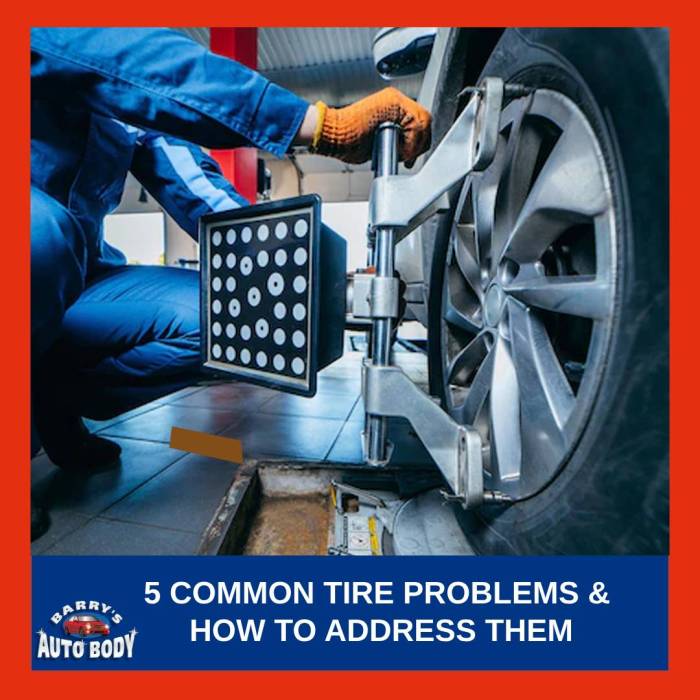
Regular preventative maintenance is crucial for extending the lifespan of your truck tires and ensuring optimal performance. Neglecting this can lead to premature wear, costly repairs, and potential safety hazards. A proactive approach, incorporating routine inspections and addressing issues promptly, will significantly improve your tire’s longevity and save you money in the long run.
Proper tire maintenance goes beyond simply reacting to problems; it’s about implementing a strategy to prevent them from arising in the first place. This involves understanding the factors influencing tire wear and implementing effective countermeasures.
Preventative Tire Maintenance Schedule
A well-structured preventative maintenance schedule is key to maximizing tire life. The following table Artikels a recommended plan, but remember to adjust the frequency based on your driving conditions and usage. More frequent inspections might be necessary for heavy-duty use or challenging terrains.
| Task | Frequency | Tools Required | Description |
|---|---|---|---|
| Visual Inspection | Weekly | Flashlight | Check for cuts, bulges, embedded objects, uneven wear, and sidewall damage. |
| Tire Pressure Check | Weekly | Tire pressure gauge | Inflate tires to the recommended pressure (found on the tire sidewall or in your owner’s manual). Ensure consistent pressure across all tires. |
| Tire Rotation | Every 5,000-8,000 miles | Lug wrench, jack, wheel chocks | Rotate tires according to the manufacturer’s recommendation (usually a specific pattern) to ensure even wear. |
| Wheel Alignment Check | Every 10,000-12,000 miles | Professional alignment service | Improper alignment leads to uneven tire wear. Have a professional check and adjust the alignment as needed. |
| Tire Tread Depth Measurement | Every 10,000-12,000 miles | Tread depth gauge | Measure the remaining tread depth to determine when tire replacement is necessary. Replace tires when the tread depth reaches the legal limit (typically 2/32 of an inch). |
Proper Tire Inflation and its Impact
Maintaining the correct tire inflation pressure is paramount for optimal tire performance and longevity. Underinflation leads to increased rolling resistance, resulting in reduced fuel efficiency and accelerated tire wear, particularly on the outer edges. Overinflation, on the other hand, can cause the center of the tire to wear prematurely and compromise ride comfort and handling. Consistent monitoring and adjustment are vital. For example, a truck consistently running with underinflated tires might experience a 10% decrease in fuel economy and a significant reduction in tire lifespan, potentially needing replacement thousands of miles earlier than expected.
Factors Contributing to Premature Tire Wear and Mitigation Strategies
Several factors contribute to premature tire wear. Understanding these factors allows for effective mitigation strategies.
For example, aggressive driving habits, such as rapid acceleration and braking, or frequent cornering at high speeds, contribute significantly to uneven wear patterns. Similarly, overloading your truck beyond its weight capacity can cause excessive stress on the tires, leading to premature failure. Improper wheel alignment, as mentioned previously, also causes uneven tire wear. Lastly, neglecting regular tire rotations prevents even wear across all tires, leading to faster degradation of some tires compared to others.
Mitigation strategies include adopting a smoother driving style, ensuring the truck is not overloaded, and scheduling regular wheel alignments and tire rotations. Regular inspections for cuts, punctures, and other damage are also crucial. Addressing these issues promptly can prevent small problems from escalating into major, costly repairs.
Conclusion
Mastering the art of quick tire fixes empowers you to handle minor issues effectively and efficiently. By understanding the common problems, their causes, and simple solutions, you’ll be better prepared for unexpected tire troubles. Remember that preventative maintenance is key to extending the life of your tires and ensuring safe travels. Regular inspections, proper inflation, and addressing potential issues promptly will save you time, money, and ultimately, contribute to a smoother, safer driving experience. So, stay proactive, and keep those tires rolling!