Frustrated by game installation woes? From insufficient disk space to corrupted files, the path to gaming bliss can be unexpectedly bumpy. This guide tackles seven common installation problems, providing clear, actionable solutions to get you back in the game quickly. We’ll explore troubleshooting techniques for various operating systems and installer types, empowering you to conquer those frustrating error messages and enjoy seamless game installations.
We’ll cover everything from freeing up hard drive space and verifying file integrity to dealing with unresponsive installers and understanding different file types. By the end, you’ll possess a comprehensive toolkit for diagnosing and resolving a wide range of installation issues, ensuring a smoother and more enjoyable gaming experience.
Insufficient Disk Space
Game installations often require significant storage space, and insufficient disk space is a frequent cause of installation failures. Understanding your game’s requirements and managing your disk space effectively are crucial steps to avoid this problem. This section will guide you through identifying and resolving insufficient disk space issues on both Windows and macOS systems.
Minimum Disk Space Requirements
Game sizes vary dramatically. Smaller indie titles might require only a few gigabytes (GB), while modern AAA games can easily consume 50GB, 100GB, or even more. Always check the game’s official website or store page for the specified minimum and recommended disk space requirements *before* attempting to install it. Failing to do so can lead to wasted time and frustration. For example, a game might list a minimum requirement of 40GB, but recommend 80GB for optimal performance and texture quality.
Identifying and Freeing Up Disk Space on Windows
To check your available disk space on Windows, open File Explorer (usually by clicking the folder icon on your taskbar). Navigate to the drive where you intend to install the game (usually C:). The free space will be displayed in the lower-right corner of the window.
To free up space, several methods are available. One is to delete unnecessary files. This can include temporary files, old downloads, and unused programs. Windows has a built-in Disk Cleanup utility (search for “Disk Cleanup” in the Start menu). This utility can identify and remove temporary files, system files, and other unnecessary data. A screenshot of this utility would show a window with a list of file types, checkboxes to select which files to delete, and a “Clean up system files” button. Another method involves manually deleting files from your downloads folder, documents folder, or other areas where you store large files. A screenshot depicting a file explorer window with various folders and files would be illustrative.
Identifying and Freeing Up Disk Space on macOS
On macOS, you can check your available disk space by clicking the Apple menu in the top-left corner of the screen, selecting “About This Mac,” and then clicking “Storage.” This will show a detailed breakdown of your storage usage.
Similar to Windows, you can free up space by deleting unnecessary files. The Finder application allows you to browse your files and folders, identifying and deleting large or unwanted files. macOS also includes a utility called “Storage Management” which can automatically identify and suggest files to delete to free up space. A screenshot of the Storage Management utility would display a visual representation of disk usage, with options to automatically delete items like downloads, trash, and other temporary files.
Comparative Analysis of File Deletion Methods
Manually deleting files offers granular control but is time-consuming. Disk Cleanup utilities (Windows) and Storage Management (macOS) are faster but may delete files you want to keep. Third-party applications often offer more advanced features, like analyzing file types and identifying duplicates, but may have a cost associated with them. The choice depends on your technical skills and the amount of space you need to free up.
Uninstalling Programs to Recover Disk Space
Uninstalling programs is an effective way to reclaim significant disk space.
Step-by-step guide for Windows:
1. Open the Settings app (Windows key + I).
2. Click on “Apps” then “Apps & features.” A screenshot of this window would show a list of installed applications, with options to modify or uninstall them.
3. Locate the program you want to uninstall and click on it.
4. Click “Uninstall” and follow the on-screen instructions. A screenshot of the uninstall confirmation dialog would be useful.
Step-by-step guide for macOS:
1. Open Finder.
2. Go to “Applications.”
3. Locate the application you want to uninstall and drag it to the Trash.
4. Empty the Trash. A screenshot showing the Applications folder and the Trash icon would be helpful.
Storage Solutions Comparison
| Storage Solution | Pros | Cons | Typical Cost per GB |
|---|---|---|---|
| Internal HDD | Large capacity, relatively inexpensive | Slower read/write speeds, prone to failure | Low |
| Internal SSD | Fast read/write speeds, durable | More expensive per GB than HDDs, limited capacity options | Medium-High |
| External HDD/SSD | Portable, additional storage | Slower than internal SSDs (HDDs especially), can be lost or damaged | Medium-High (SSDs), Low (HDDs) |
Corrupted Game Files

Game installation failures aren’t always about space. Sometimes, the problem lies within the game files themselves. Corruption can occur during download, transfer, or even during the installation process, leading to a frustrating inability to launch the game. Understanding the causes and solutions is key to resolving these issues.
Corrupted game files can stem from various sources. Incomplete downloads due to unstable internet connections are a frequent culprit. Interruptions during the installation process, such as sudden power outages or system crashes, can also leave files damaged and incomplete. In some cases, malware or viruses can subtly corrupt game files, hindering the game’s ability to function correctly. Finally, hard drive errors, even minor ones, can contribute to file corruption, making data unreliable and leading to installation problems.
Verifying Game File Integrity
Several methods exist to check the integrity of your game files. Many game launchers, such as Steam, Epic Games Launcher, and GOG Galaxy, have built-in verification tools. These tools compare the installed files against a known good set of files, identifying and flagging any discrepancies. For example, in Steam, you’d right-click the game in your library, select “Properties,” then “Local Files,” and finally “Verify Integrity of Game Files.” This process automatically downloads and replaces any corrupted or missing files. For launchers without this feature, third-party tools may offer similar functionality, though caution should be exercised when using external software.
Reinstalling the Game
If file verification doesn’t resolve the issue, reinstalling the game from scratch is the next logical step. This involves completely uninstalling the game, deleting any remaining game folders or registry entries, and then downloading and installing the game afresh. This ensures a clean installation free from corrupted files. Remember to back up any saved game data before uninstalling, as this process will typically remove all game files.
Repairing Corrupted Game Files Using Game Launchers
Some game launchers offer a “repair” option alongside the verification tool. This option attempts to fix corrupted files without requiring a complete re-download. For instance, the Epic Games Launcher might present a “Repair” button within the game’s settings. This is often faster than a full reinstallation but may not always be successful in addressing severe corruption. The specific process varies between launchers, so refer to the individual launcher’s documentation for detailed instructions.
Troubleshooting Specific Error Messages
Encountering specific error messages can provide valuable clues about the nature of the corruption. A list of common error messages and their potential causes follows:
- “Missing or Corrupted Files”: This indicates that essential game files are damaged or absent. File verification or reinstallation is recommended.
- “Failed to Initialize”: This often points to critical file corruption, potentially requiring a complete reinstallation.
- “Game Crashed”: While not always directly related to installation, this could be a symptom of underlying file corruption. Verification should be performed.
- “Error Code [Specific Code]”: Searching online for the specific error code often reveals solutions provided by the game developer or community.
Remember to consult the game’s official support documentation or forums for additional guidance on resolving specific error messages. Detailed error messages are often crucial in pinpointing the problem and finding an effective solution.
Problems with the Installer
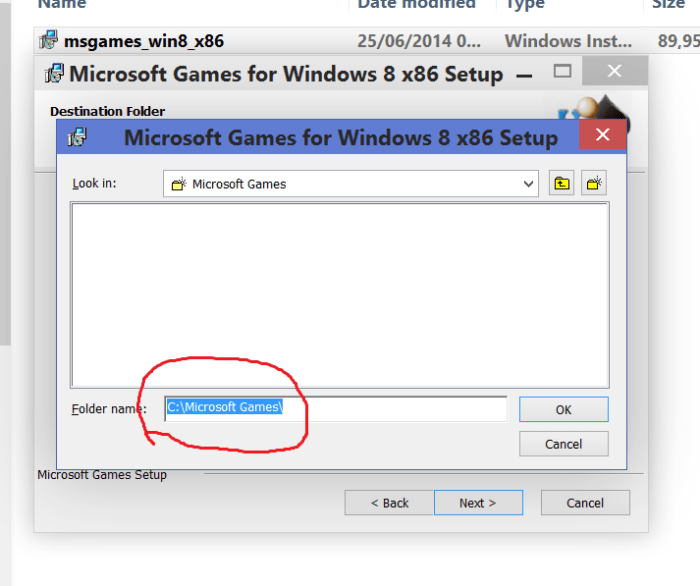
Game installers, the unsung heroes (or sometimes villains) of the gaming world, are crucial for getting your games up and running. A problematic installer can lead to a frustrating experience, preventing you from enjoying your new purchase. Understanding common installer issues and how to troubleshoot them can save you significant time and headache.
Installer problems manifest in various ways, from simple errors to complete installation failures. These issues can stem from corrupted installer files, incompatibility with your operating system, insufficient permissions, or conflicts with other software. Different installer types, such as .exe (Windows), .dmg (macOS), and .run (Linux), can also present unique challenges.
Installer Types and Their Potential Problems
Different operating systems utilize different installer formats, each with its own potential pitfalls. .exe files, common in Windows, can be vulnerable to viruses or corruption. .dmg files on macOS, while generally more secure, can still encounter issues if the download is incomplete or damaged. .run files on Linux systems require specific permissions and may need additional dependencies installed. A common problem across all types is an incomplete download leading to a faulty installer. For instance, an interrupted download of a large .exe file might result in an installer that fails to launch or corrupts game files during installation.
Troubleshooting a Frozen or Unresponsive Installer
A frozen installer is a common frustration. The first step is to wait a reasonable amount of time (5-10 minutes) to see if it becomes responsive. If it remains frozen, try these steps:
- Check Task Manager (Windows) or Activity Monitor (macOS): Locate the installer process and see if it’s consuming excessive resources (CPU or memory). If so, it may indicate a problem with the installer itself or a system resource issue. Force-quitting the installer may be necessary, requiring a fresh download and reinstall.
- Restart your computer: A simple restart often resolves temporary glitches that may be affecting the installer.
- Run a virus scan: A corrupted installer could be due to a virus or malware infection. Running a full system scan with your antivirus software can help identify and remove any threats.
Running the Installer as Administrator
Many installers require administrator privileges to access system files and directories. Failing to run the installer as an administrator can lead to installation errors or incomplete installations.
- Windows: Right-click on the installer file and select “Run as administrator”.
- macOS: Control-click on the installer file and select “Open”. If prompted, authenticate with your administrator password.
- Linux: Use the `sudo` command before running the installer (e.g., `sudo ./installer.run`). This will require your administrator password.
Troubleshooting Installer Errors: A Flowchart
A flowchart can provide a visual guide to troubleshooting installer errors. This flowchart Artikels a systematic approach to identifying and resolving issues. Imagine a flowchart with boxes representing steps and arrows showing the flow of actions.
The flowchart would start with “Installer Error?”. If yes, the next box would be “Wait 5-10 minutes?”. If yes, the next box would be “Is installer responsive?”. If no, the next box would be “Check Task Manager/Activity Monitor”. This would branch to options like “Force quit installer” and “Restart Computer”. If the installer is responsive, the next box would be “Run as administrator?”. If no, the next box would be “Try running as administrator”. If yes, the next box would be “Still an error?”. If yes, the next box would be “Run virus scan”. If no, the next box would be “Installation complete”. If there’s still an error after the virus scan, the final box would be “Re-download installer”.
Final Conclusion

Successfully navigating game installations shouldn’t be a Herculean task. By understanding the common pitfalls and employing the troubleshooting steps Artikeld in this guide, you can significantly reduce the frustration often associated with getting new games up and running. Remember to regularly check your disk space, verify file integrity, and approach installer issues systematically. With a little proactive maintenance and these troubleshooting techniques, you’ll be spending less time troubleshooting and more time gaming.