That unsettling grinding noise emanating from your Toyota Camry’s brakes? It’s a common problem, but understanding its root cause is crucial for safe and efficient driving. This guide delves into six prevalent brake grinding issues specific to the Toyota Camry, offering a clear, step-by-step approach to diagnosis and repair. We’ll equip you with the knowledge to identify the source of the noise, implement effective solutions, and prevent future occurrences, keeping you safely on the road.
From deciphering the nuances of high-pitched squeals versus low-pitched groans to mastering the nine-step repair process, we cover everything you need. We’ll also explore preventative maintenance strategies, including regular inspections and the selection of appropriate brake pads, to ensure your Camry’s braking system remains in top condition for years to come. This comprehensive guide aims to empower you to tackle brake grinding confidently and effectively.
Identifying the Source of Brake Grinding in a Toyota Camry
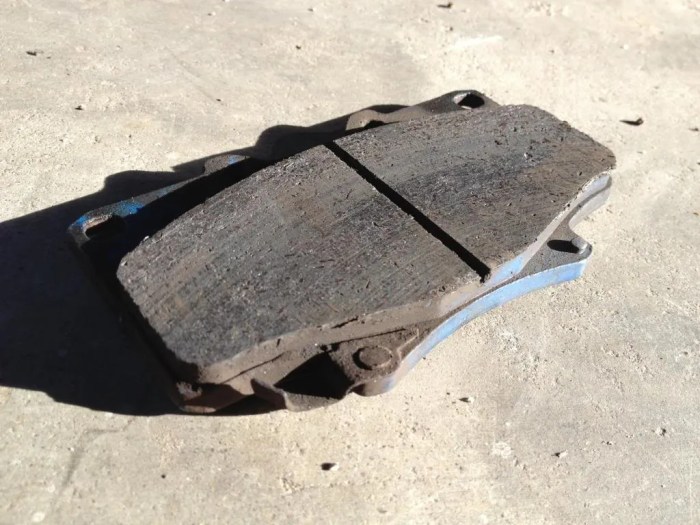
Brake grinding in a Toyota Camry is a common issue, often indicating a problem requiring immediate attention to prevent further damage and ensure safe braking. Ignoring the sound can lead to more extensive and costly repairs. Pinpointing the exact cause of the grinding noise is crucial for effective repair. This section details the six most frequent causes and their associated sounds.
Common Causes of Brake Grinding in Toyota Camrys
Understanding the various sounds associated with brake issues is key to diagnosing the problem. Different sounds often point to different underlying problems. Ignoring the problem can lead to more significant damage and safety risks.
- Worn Brake Pads: This is the most frequent cause. The metallic backing plates of the brake pads grind against the rotors when the friction material wears down. This typically produces a high-pitched squeal or grinding noise that increases with braking pressure. The sound might start intermittently and become more constant as the pads wear further.
- Worn Brake Rotors: Severely worn or damaged rotors can also cause grinding. The uneven surface of the rotor creates friction with the brake pads, leading to a low-pitched grinding or scraping sound. This sound is often more noticeable at lower speeds.
- Loose or Damaged Calipers: A seized or sticking caliper piston can cause uneven brake pad wear, leading to grinding. The sound might be intermittent and vary depending on the wheel’s position and braking force. It might present as a consistent grinding or a more intermittent scraping.
- Foreign Objects in the Brakes: Small stones, pebbles, or other debris can get lodged between the brake pads and rotors, causing grinding. The sound is usually a sharp, intermittent grinding noise that varies with driving conditions and braking pressure.
- Damaged Brake Shields: These metal shields protect the brake components. If damaged or bent, they can contact the rotor or caliper, creating a grinding noise. The sound is typically a metallic scraping or grinding sound, often consistent and independent of braking pressure.
- Improperly Installed Brake Parts: Incorrect installation of new brake pads or rotors can result in grinding. This could manifest as a variety of grinding sounds, depending on the specific misalignment. The sound might be present even during light braking.
Diagnosing Brake Grinding Based on Sound and Driving Conditions
A systematic approach is crucial to accurately diagnose the source of the grinding noise. Consider the characteristics of the sound and the circumstances under which it occurs. The following flowchart provides a structured approach to diagnosis.
Step-by-Step Guide to Fixing Brake Grinding Issues

Addressing brake grinding in your Toyota Camry requires a systematic approach. Ignoring the issue can lead to more significant and costly repairs down the line, potentially compromising your safety. This step-by-step guide will help you diagnose and, in many cases, resolve the problem yourself. Remember, safety is paramount; if you are uncomfortable performing any of these steps, consult a qualified mechanic.
Brake Grinding Troubleshooting and Repair Procedure
This section details a nine-step process for diagnosing and fixing brake grinding noises in your Toyota Camry. Remember to always consult your owner’s manual for specific recommendations and safety precautions for your vehicle model year.
| Step | Tool Required | Potential Issue | Solution |
|---|---|---|---|
| 1. Safety First: Secure the Vehicle | Wheel chocks, parking brake | Vehicle rolling unexpectedly | Engage parking brake firmly and use wheel chocks to secure the vehicle on a level surface. |
| 2. Visual Inspection: Wheels and Brakes | Gloves, flashlight | Worn brake pads, damaged rotors, debris | Carefully inspect brake pads for wear, scoring, or cracking. Examine rotors for scoring, grooves, or excessive rust. Look for any foreign objects near the brake components. |
| 3. Brake Pad Thickness Measurement | Caliper | Pads worn below minimum thickness | Measure the thickness of the brake pads using a caliper. Compare measurements to the manufacturer’s specifications found in your owner’s manual. Replace pads if below minimum thickness. |
| 4. Rotor Inspection: Runout and Thickness | Caliper, dial indicator (optional) | Worn or warped rotors | Measure rotor thickness at multiple points. Check for runout (lateral movement) using a dial indicator for precision. Replace rotors if worn or warped beyond manufacturer specifications. |
| 5. Caliper Inspection: Functionality and Movement | Wrench, pliers | Stuck or seized caliper piston | Inspect caliper slides for smooth movement. Try to manually move the caliper piston. If it’s stiff or seized, you may need to lubricate or replace the caliper. |
| 6. Brake Pad Replacement (If Necessary) | Wrench, socket set, brake pad compressor (optional) | Incorrect installation, improper pad seating | Carefully follow the instructions in your owner’s manual for replacing brake pads. Ensure proper seating of the new pads. |
| 7. Rotor Resurfacing or Replacement (If Necessary) | Rotor lathe (professional service), replacement rotors | Improper resurfacing, uneven rotor surface | Resurfacing rotors should be done by a professional using a lathe. Alternatively, replace worn or damaged rotors. |
| 8. Lubrication of Moving Parts | Brake caliper grease | Friction and binding | Apply a small amount of brake caliper grease to the caliper pins and slides. Avoid getting grease on the brake pads or rotors. |
| 9. Test Drive and Final Inspection | N/A | Persistent grinding, brake pedal feel | Test drive the vehicle and listen for any remaining grinding noises. Check for proper brake pedal feel. If grinding persists, further professional inspection is recommended. |
Detailed Component Inspection
Thorough inspection is key to accurate diagnosis. When inspecting brake pads, look for uneven wear, scoring, or cracking. For rotors, check for scoring, grooves, rust, and excessive wear. Examine the calipers for smooth piston movement and the absence of any binding or sticking. Pay close attention to the caliper slides; smooth operation is crucial to prevent grinding. Any signs of damage or unusual wear should prompt replacement of the affected component.
Lubrication Techniques for Preventing Future Grinding
Proper lubrication is essential for long-term brake system health. Use only brake caliper grease, specifically designed for high-temperature applications. Apply a small amount to the caliper pins and slider pins, ensuring smooth movement. Avoid excessive grease, as it can attract debris and contaminate the braking surfaces. Always consult your owner’s manual for specific lubrication recommendations.
Preventive Maintenance and Long-Term Solutions
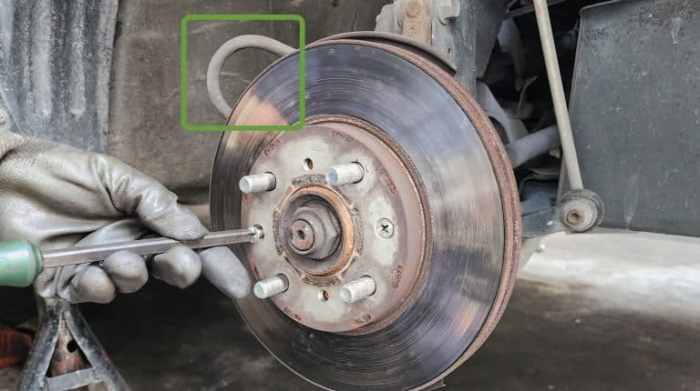
Proactive brake maintenance is crucial for extending the lifespan of your Toyota Camry’s braking system and preventing costly repairs. Regular inspections and a commitment to preventative measures can significantly reduce the likelihood of experiencing brake grinding and other related issues. Ignoring these aspects can lead to premature wear, compromised safety, and ultimately, a more expensive repair bill down the line.
Regular brake inspections are essential for identifying potential problems before they escalate into major issues. A thorough inspection should include checking the brake pads for wear, examining the rotors for scoring or damage, and inspecting the brake lines and calipers for leaks or damage. Following a recommended maintenance schedule ensures that potential problems are caught early, allowing for timely and less costly repairs.
Brake Inspection and Maintenance Schedule Recommendations
Consistent maintenance is key to preventing brake problems. Toyota recommends following a schedule based on mileage and driving conditions, but a general guideline would be to have your brakes inspected every 6 months or 6,000 miles, whichever comes first. More frequent inspections are recommended for drivers who frequently drive in harsh conditions, such as mountainous areas or stop-and-go city traffic. During these inspections, a qualified mechanic should check pad thickness, rotor condition, fluid levels, and the overall integrity of the braking system. Addressing minor issues promptly prevents them from becoming major problems.
Preventative Measures to Minimize Brake Wear and Tear
Implementing a few preventative measures can significantly extend the life of your brake system. These measures reduce wear and tear, minimizing the need for frequent replacements and potentially saving you money in the long run.
- Gentle braking: Avoid hard braking whenever possible. Smooth, controlled braking reduces wear on brake pads and rotors.
- Proper driving habits: Anticipate stops and avoid sudden acceleration and deceleration.
- Regularly check brake fluid levels: Low fluid levels can indicate a leak, requiring immediate attention.
- Avoid prolonged downhill braking: Use lower gears to help control speed on steep inclines.
- Keep your vehicle properly aligned: Misalignment can cause uneven brake pad wear.
Comparison of Brake Pad Types
Different brake pad materials offer varying levels of performance, noise, and longevity. The choice of brake pad depends on individual driving style and preferences. However, understanding the characteristics of each type helps in making an informed decision.
| Brake Pad Type | Noise Level | Longevity | Cost | Performance Characteristics |
|---|---|---|---|---|
| Ceramic | Low | High | High | Excellent dust reduction, long lifespan, smooth braking |
| Semi-Metallic | Moderate | Moderate | Moderate | Good stopping power, durable, cost-effective |
| Organic | High (can squeal) | Low | Low | Quiet initially, but prone to wear and tear faster |
Ultimate Conclusion

Addressing brake grinding in your Toyota Camry requires a systematic approach, combining accurate diagnosis with careful execution of repairs. By understanding the common causes of this issue, following the provided nine-step procedure, and implementing preventative maintenance, you can significantly extend the lifespan of your braking system and maintain peace of mind while driving. Remember, prioritizing regular brake inspections is paramount to preventing more significant, and potentially costly, problems down the line. Safe driving practices are always key to avoiding brake issues altogether.