Experiencing steering issues in your van can be unnerving, impacting both safety and driving comfort. This guide provides a practical approach to diagnosing and resolving five common steering problems often encountered by van owners. We’ll explore the root causes, from mechanical faults to environmental factors, and offer eight simple adjustments you can perform yourself to regain control and confidence on the road. Whether it’s a slight pull, unusual vibrations, or more serious concerns, we’ll equip you with the knowledge to tackle these issues efficiently.
By understanding the symptoms and causes of these problems, you can quickly assess the situation and determine the best course of action. This guide provides clear, step-by-step instructions for several quick fixes, allowing you to restore your van’s steering performance with minimal effort. However, we also Artikel when professional assistance is necessary, ensuring you prioritize safety and prevent further damage.
Identifying Common Van Steering Problems

Maintaining proper steering functionality is crucial for the safe and efficient operation of any van. Neglecting even minor steering issues can quickly escalate into significant safety hazards. This section will detail five common steering problems found in vans, outlining their causes and symptoms to aid in early diagnosis and preventative maintenance. Understanding these issues empowers van owners to address problems promptly, preventing costly repairs and ensuring a safer driving experience.
Van Steering Problems: A Detailed Overview
Five common steering problems plague van owners, often stemming from a combination of mechanical wear and tear and environmental factors. These problems can manifest in subtle ways initially, but ignoring them can lead to dangerous driving conditions.
Causes and Symptoms of Common Van Steering Problems
The following table summarizes the causes and symptoms associated with five prevalent van steering issues. Recognizing these symptoms early is critical for preventing accidents and minimizing repair costs.
| Steering Problem | Causes | Visual Cues | Driving Sensations |
|---|---|---|---|
| Worn Tie Rod Ends | Normal wear and tear, impacts from potholes or curbs, corrosion. | Loose or damaged tie rod ends, play in the steering linkage, visible grease leaks. | Loose or sloppy steering, wandering or pulling to one side, uneven tire wear. |
| Power Steering Fluid Leaks | Damaged power steering hoses or pump seals, worn rack and pinion seals. | Fluid stains under the van, low power steering fluid level. | Stiff steering, whining or groaning noises from the power steering system, difficulty turning the steering wheel, especially at low speeds. |
| Worn Ball Joints | Wear and tear, impacts, corrosion. | Excessive play in the ball joints, clicking or popping noises when turning the steering wheel. | Loose or sloppy steering, wandering or pulling to one side, uneven tire wear, clunking noises from the suspension. |
| Damaged Steering Rack | Impacts, corrosion, wear and tear, lack of lubrication. | Fluid leaks from the steering rack, unusual noises (knocking, grinding) from the steering system, difficult steering. | Stiff or difficult steering, knocking or grinding noises while turning, steering wheel may feel loose or unresponsive. |
| Misaligned Wheels | Impacts, improper tire inflation, worn suspension components. | Uneven tire wear, vehicle pulls to one side, steering wheel is not centered when driving straight. | Vehicle pulls to one side, uneven tire wear, vibrations in the steering wheel, especially at higher speeds. |
Quick Adjustments for Steering Issues

Addressing steering problems in your van can often be resolved with some simple adjustments. Before undertaking any repairs, ensure the van is parked on a level surface, the engine is off, and the parking brake is engaged. Safety should always be your top priority. The following adjustments are preventative measures and may not resolve all steering issues; if problems persist, professional assistance is recommended.
Many common steering problems stem from simple issues easily rectified by the van owner. These quick fixes can save time and money, preventing the need for extensive repairs. Addressing these minor issues promptly can also help avoid more serious problems down the line. Always refer to your van’s owner’s manual for specific recommendations and torque specifications.
Eight Quick Adjustments for Improved Van Steering
These eight adjustments offer potential solutions to common steering difficulties. Remember to always consult your vehicle’s manual for specific instructions and torque specifications.
- Check and Adjust Tire Pressure: Improper tire inflation significantly impacts steering response and handling. Use a reliable pressure gauge and inflate tires to the manufacturer’s recommended pressure (found on a sticker inside the driver’s side doorjamb or in your owner’s manual).
- Inspect and Clean Steering Linkage: Dirt, grime, and corrosion can hinder the smooth operation of steering components. Clean the linkage using a wire brush and degreaser, paying attention to joints and pivot points. Apply a suitable lubricant after cleaning.
- Examine and Tighten Steering Wheel Bolts: Loose steering wheel bolts can lead to instability and unsafe driving conditions. Tighten these bolts to the manufacturer’s specified torque using a torque wrench.
- Verify and Adjust Wheel Alignment: Misaligned wheels cause uneven tire wear and affect steering responsiveness. While complete wheel alignment requires professional equipment, a visual inspection can sometimes reveal obvious misalignment. Look for uneven tire wear patterns or pulling to one side.
- Inspect and Replace Worn Steering Components: Worn tie rod ends, ball joints, or other steering components can negatively impact steering feel and control. Visually inspect these parts for damage, play, or excessive wear. Replacement may be necessary.
- Lubricate Steering Column: A stiff or squeaky steering column can indicate a need for lubrication. Apply a suitable lubricant to the steering column joints, following the manufacturer’s recommendations.
- Check Power Steering Fluid Level: Low power steering fluid can lead to difficulty turning the steering wheel. Check the fluid level and top it off if necessary, using the correct type of power steering fluid specified in your owner’s manual.
- Inspect and Repair Steering Damper: A faulty steering damper can cause vibrations and instability. Inspect the damper for leaks or damage; replacement may be required if problems are found.
Detailed Steps for Checking and Adjusting Tire Pressure
Maintaining correct tire pressure is crucial for optimal steering performance and safety. Incorrect inflation can lead to uneven tire wear, reduced fuel efficiency, and compromised handling.
- Gather Supplies: You will need a reliable tire pressure gauge and a suitable air compressor or air pump.
- Locate the Recommended Tire Pressure: Check the sticker on the driver’s side doorjamb or your owner’s manual for the recommended tire pressure for your van.
- Check Current Tire Pressure: Remove the valve cap from each tire and use the pressure gauge to measure the current air pressure. Note the pressure for each tire.
- Add or Remove Air: If the pressure is below the recommended level, add air using the air compressor or pump. If the pressure is above the recommended level, carefully release air using the valve stem. Use short bursts to avoid sudden pressure changes.
- Re-check Pressure: Once you have added or removed air, re-check the pressure with the gauge to ensure it matches the recommended level.
- Replace Valve Caps: Replace the valve caps on each tire to protect the valve stems from dirt and debris.
Advanced Troubleshooting and When to Seek Professional Help
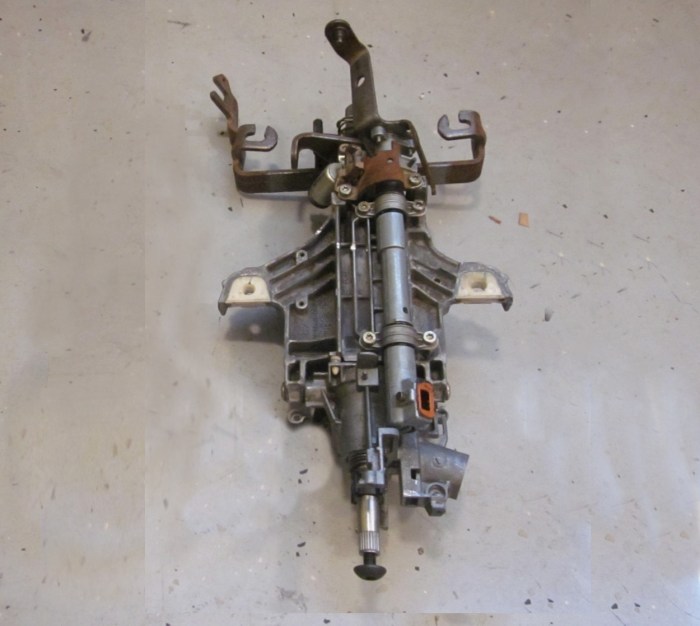
While the quick adjustments Artikeld previously can resolve many common van steering problems, they aren’t a solution for every scenario. Understanding the limitations of these fixes and knowing when to seek professional help is crucial for ensuring your safety and the longevity of your vehicle. This section will compare the effectiveness of these quick fixes across different steering problems and Artikel situations demanding professional intervention.
The effectiveness of quick adjustments varies significantly depending on the underlying cause of the steering issue. For instance, a loose steering wheel adjustment might effectively resolve a slight wobble or looseness, but it won’t address a problem stemming from worn-out tie rod ends or a damaged power steering pump. Similarly, adjusting tire pressure can alleviate some handling issues, but it won’t fix a bent steering knuckle or a failing power steering rack. Successfully addressing more complex issues requires a deeper understanding of automotive mechanics and specialized tools.
Comparison of Quick Adjustment Effectiveness
The quick adjustments are most effective for minor issues resulting from simple wear and tear or user adjustments. For example, inflating tires to the correct pressure often noticeably improves handling and steering responsiveness. Tightening a loose steering wheel nut can restore a feeling of control lost due to minor loosening. However, these adjustments offer little to no benefit when dealing with more significant mechanical failures. A loose steering wheel nut won’t solve a problem with a damaged steering rack, and proper tire inflation won’t fix a bent steering component. The effectiveness is directly correlated to the severity and nature of the problem.
Scenarios Requiring Professional Assistance
Several scenarios necessitate seeking professional help. These include situations where the steering feels unusually stiff or loose, even after attempting quick adjustments; experiencing unusual noises, such as grinding, squealing, or knocking from the steering system; noticing fluid leaks near the steering components; or experiencing vibrations or pulling to one side that cannot be corrected by tire adjustments. Furthermore, any signs of damage to steering components, such as bent tie rods or a damaged steering rack, require immediate professional attention. Ignoring these problems can lead to serious safety hazards and expensive repairs in the long run. For instance, a failing power steering pump could lead to complete steering failure while driving, resulting in an accident.
Decision-Making Flowchart for Steering Problem Resolution
A systematic approach is crucial when deciding whether to attempt a quick fix or seek professional help. The following flowchart illustrates a logical decision-making process:
Start
↓
Identify Steering Problem: (e.g., looseness, pulling, vibration, noise)
↓
Attempt Quick Adjustment (if applicable): (e.g., check tire pressure, tighten steering wheel nut)
↓
Problem Resolved?
↓ (Yes) → End
↓ (No)
↓
Observe for Severe Symptoms: (e.g., fluid leaks, unusual noises, significant pulling)
↓
Severe Symptoms Present?
↓ (Yes) → Seek Professional Help
↓ (No)
↓
Attempt More Advanced Troubleshooting: (e.g., visual inspection of components)
↓
Problem Resolved?
↓ (Yes) → End
↓ (No) → Seek Professional Help
End
Epilogue

Addressing steering problems promptly is crucial for safe and enjoyable van ownership. This guide has provided you with the tools to identify, diagnose, and address five common steering issues through eight practical adjustments. Remember that while these quick fixes are often effective, certain situations require the expertise of a qualified mechanic. By carefully following the steps Artikeld and understanding your limitations, you can maintain your van’s steering system effectively and confidently navigate the road ahead. Prioritize safety and don’t hesitate to seek professional help when needed.