Drone batteries, the heart of any aerial adventure, are susceptible to various issues that can curtail flight time and even damage your equipment. Understanding the intricacies of these lithium polymer powerhouses is crucial for maximizing their lifespan and ensuring smooth, uninterrupted operation. This guide delves into four common drone battery problems, offering practical solutions and preventative measures to keep your drone soaring.
From diagnosing symptoms like reduced capacity and over-discharge to understanding the chemical processes at play, we’ll cover everything you need to know. We will explore how factors like temperature, discharge rate, and storage significantly impact battery health, offering insights into extending their life and maintaining optimal performance. This guide provides a comprehensive approach, empowering you to troubleshoot effectively and keep your drone in the air longer.
Understanding Drone Battery Chemistry and Lifespan
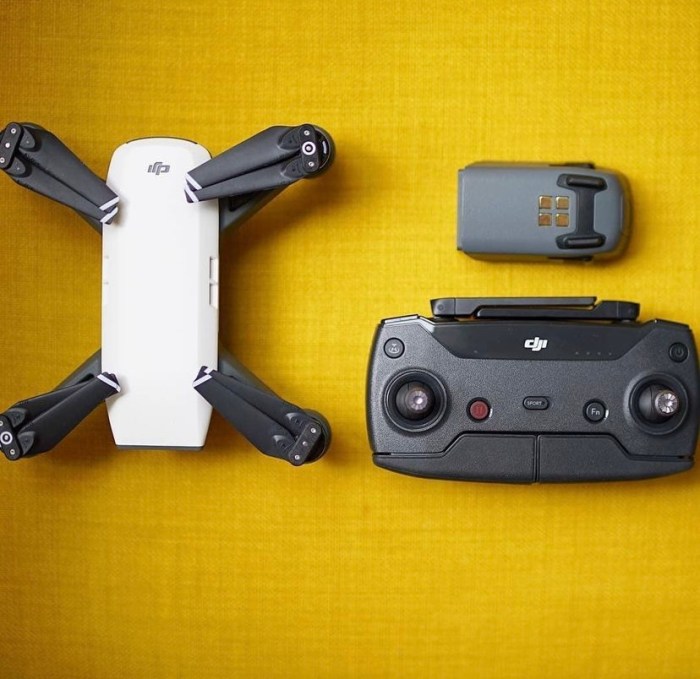
Drone batteries are the lifeblood of your aerial adventures. Understanding their chemistry and what impacts their lifespan is crucial for maximizing flight time and ensuring the safety and longevity of your equipment. This section delves into the inner workings of these power packs and the factors that influence their performance over time.
Lithium Polymer Battery Chemistry
Drone batteries almost exclusively utilize lithium polymer (LiPo) technology. These batteries consist of a cathode (positive electrode), an anode (negative electrode), and an electrolyte solution contained within a flexible polymer film. During discharge, lithium ions move from the anode to the cathode through the electrolyte, generating an electrical current. The reverse process occurs during charging. The chemical reactions involved are complex, but the core principle is the reversible movement of lithium ions between the electrodes. The energy density of LiPo batteries makes them ideal for drones, providing a high power output in a compact and lightweight package. However, this high energy density also means they require careful handling and management.
Factors Influencing Drone Battery Lifespan
Several factors significantly impact the lifespan of a LiPo drone battery. High temperatures accelerate the degradation of the battery’s internal components, leading to reduced capacity and performance. Similarly, consistently discharging the battery to very low levels (deep discharge) stresses the cells and shortens their lifespan. Conversely, consistently charging to 100% also reduces lifespan, and keeping the battery at full charge for extended periods also contributes to degradation. The rate at which the battery is discharged (discharge rate) also plays a role; high discharge rates generate more heat and accelerate aging. Finally, proper storage is critical. Storing LiPo batteries at moderate temperatures (around 10-20°C) and at a partially charged state (around 40-60%) helps prolong their life.
Comparison of Drone Battery Chemistries
While LiPo batteries dominate the drone market, other chemistries exist, though they are less common. LiFePO4 (Lithium Iron Phosphate) batteries offer a longer lifespan and improved safety characteristics compared to LiPo, but typically have lower energy density, resulting in less flight time. LiHV (Lithium Polymer High Voltage) batteries offer a slightly higher voltage than standard LiPo batteries, leading to increased flight time, but require compatible chargers and electronic speed controllers.
Common Drone Battery Types, Capacities, and Lifespans
The following table compares some common drone battery types, their capacities, and approximate lifespans under typical usage conditions. Note that these are estimates, and actual lifespan can vary based on the factors discussed above.
| Battery Type | Typical Capacity (mAh) | Typical Lifespan (Charge Cycles) | Notes |
|---|---|---|---|
| LiPo 3S 1500mAh | 1500 | 300-500 | Common for smaller drones |
| LiPo 4S 2200mAh | 2200 | 300-500 | Popular for mid-sized drones |
| LiPo 6S 5000mAh | 5000 | 250-400 | Used in larger, heavier drones |
| LiFePO4 3S 2200mAh | 2200 | 800-1200 | Longer lifespan, lower energy density |
Diagnosing Common Drone Battery Issues
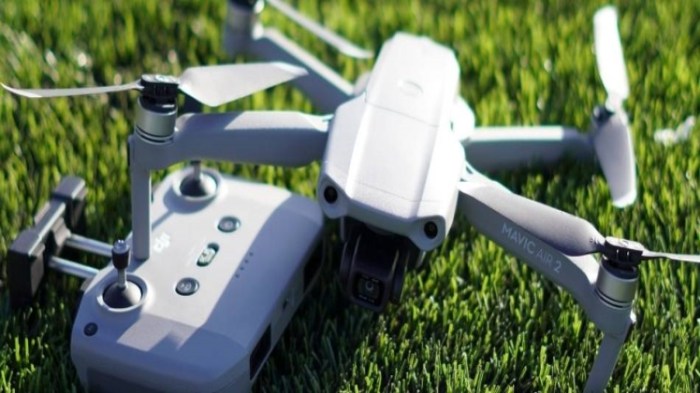
Accurately diagnosing drone battery problems is crucial for maintaining safe and efficient flight operations. A thorough understanding of the symptoms associated with various issues allows for prompt intervention, preventing potential damage to the drone or even accidents. This section Artikels methods for identifying and addressing common drone battery problems.
Over-Discharge Symptoms
Over-discharging a drone battery can severely damage its cells, shortening its lifespan and potentially rendering it unusable. Symptoms include a complete failure to power on the drone, a significantly reduced flight time compared to previous flights, and the battery indicator displaying a critically low charge level, even after a seemingly full charge. In some cases, you might notice the battery feeling unusually warm or even emitting a slight odor. These indicators should prompt immediate action to prevent further damage.
Diagnosing Reduced Battery Capacity
Reduced battery capacity manifests as a shorter flight time than expected, even when the battery appears fully charged. To diagnose this, consistently record your flight times and compare them to the manufacturer’s specified flight time for that specific battery model. A significant and consistent drop in flight time suggests reduced capacity. Consider using a battery analyzer to measure the actual capacity. A battery analyzer will provide precise measurements of the battery’s voltage and capacity, confirming whether the battery is indeed performing below its rated specifications.
Identifying Physical Damage
Visual inspection is the first step in identifying physical damage. Look for signs of swelling, which indicates internal cell damage and potential safety hazards. Swelling might appear as a bulging or deformation of the battery casing. Carefully examine the battery for any punctures, cracks, or other physical damage to the casing. Even minor damage can compromise the battery’s integrity and should warrant replacement. A damaged casing could expose the internal components to moisture or physical impact, leading to further issues.
Checking Individual Battery Cell Voltage
Many drone batteries consist of multiple individual cells connected in series. Voltage imbalances between these cells can significantly reduce battery performance and lifespan. Using a multimeter, carefully measure the voltage of each individual cell. Consult your battery’s specifications to determine the expected voltage per cell. Significant deviations from the expected voltage indicate an imbalance, which might require professional attention or battery replacement. For example, if a 3-cell battery (typically 11.1V nominal) shows cell voltages of 3.5V, 3.7V, and 4.0V, this is a notable imbalance. Consistent and significant voltage differences between cells necessitate addressing the issue to prevent further damage.
Troubleshooting and Solutions for Drone Battery Problems
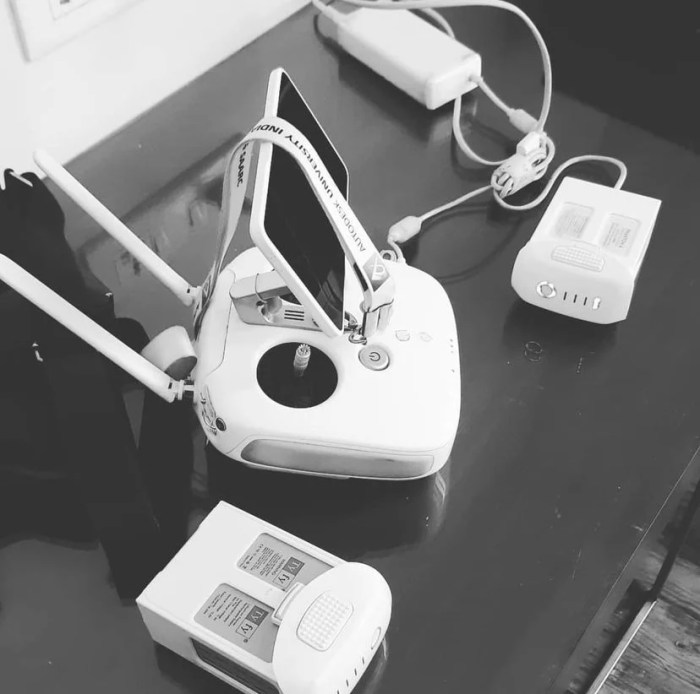
Addressing drone battery issues effectively requires a systematic approach. Understanding the root cause is crucial for implementing the correct solution and preventing future problems. This section Artikels a troubleshooting flowchart, potential solutions for common charging problems, safe disposal methods, and preventative maintenance techniques to maximize battery lifespan.
Drone Battery Troubleshooting Flowchart
A visual flowchart can streamline the troubleshooting process. Imagine a flowchart starting with the main problem: “Drone Battery Issue.” This branches into two main paths: “Battery Won’t Charge” and “Battery Performs Poorly (Low Flight Time, Sudden Power Loss).” The “Battery Won’t Charge” path then branches further into: “Charger Malfunction,” “Battery Damaged,” and “Connection Problems.” Each of these leads to specific troubleshooting steps, such as checking the charger’s power source, inspecting the battery for physical damage, and verifying the connections between the battery and the drone/charger. Similarly, the “Battery Performs Poorly” path could branch into “Battery Needs Calibration,” “Battery Needs Replacement,” and “Drone’s Power Consumption Issues.” Each branch would conclude with a suggested solution. This systematic approach allows for quick identification and resolution of the problem.
Solutions for a Drone Battery That Won’t Charge
Several factors can prevent a drone battery from charging. A thorough examination is needed to pinpoint the exact cause.
- Check the Charger and Power Source: Ensure the charger is properly plugged into a working power outlet and that the outlet is providing sufficient power. Test the charger with a known good battery to rule out charger malfunction.
- Inspect the Battery and Connections: Carefully examine the battery for any physical damage, such as cracks, swelling, or loose connections. Clean any debris from the battery contacts and ensure a secure connection between the battery and the charger.
- Try a Different Charger or Battery: If possible, try charging the battery with a different compatible charger. Alternatively, try charging a different known-good battery with your charger to isolate the problem.
- Reset the Battery (if applicable): Some drone batteries have a reset mechanism (often a small button). Consult your drone’s manual to see if this is an option and follow the instructions carefully.
- Contact the Manufacturer: If none of the above steps work, contact the drone or battery manufacturer for support or replacement options. They may have specific troubleshooting steps or warranty information.
Safe Disposal of Damaged or Unusable Drone Batteries
Improper disposal of lithium-polymer (LiPo) batteries can be dangerous. These batteries contain flammable materials and can pose a fire hazard if not handled correctly.
Never throw LiPo batteries in household trash or recycling bins. Instead, follow these steps:
- Contact your local waste management authority: Many areas have designated drop-off locations or specific instructions for disposing of hazardous waste, including batteries.
- Use a specialized battery disposal service: Some companies specialize in the safe disposal of LiPo and other types of batteries. Research options in your area.
- Return the battery to the manufacturer or retailer: Some manufacturers offer battery recycling or take-back programs. Check their website or contact customer service.
Preventative Measures to Extend Drone Battery Lifespan
Proactive measures significantly impact battery longevity. Proper care and handling can greatly extend their useful life.
Several key practices can maximize the lifespan of your drone batteries:
- Store batteries at optimal temperature: Avoid extreme temperatures (both hot and cold). Ideal storage is in a cool, dry place at room temperature.
- Avoid full discharges: Don’t let your batteries completely drain before recharging. Aim for a remaining charge of around 20-30% before recharging.
- Avoid overcharging: Once the battery is fully charged, disconnect it from the charger to prevent overcharging, which can damage the battery cells.
- Use a quality charger: Employ a charger specifically designed for your drone battery type. Using an incompatible charger can damage the battery.
- Regularly calibrate your battery: Calibration helps maintain accurate charge level readings and ensures optimal performance. Refer to your drone’s manual for calibration instructions.
Wrap-Up
Successfully navigating the complexities of drone battery maintenance is key to maximizing your aerial experience. By understanding the chemical processes, identifying common problems, and implementing the preventative measures and troubleshooting techniques Artikeld here, you can significantly extend the lifespan of your drone batteries. Remember, proactive care and proper handling are paramount in ensuring reliable performance and avoiding costly replacements. Embrace the knowledge gained, and enjoy countless hours of safe and exhilarating flights.