Experiencing a double tire blowout in your truck is a terrifying event, demanding immediate action and careful decision-making. This guide provides crucial steps to maintain control, assess the damage, and ensure your safety during this critical situation. Understanding the proper procedures and preventative measures can significantly reduce the risks associated with such incidents.
From maintaining composure and safely pulling over to the side of the road, to evaluating the extent of the damage and deciding whether to attempt a temporary fix or call for assistance, this guide provides clear, concise instructions. We’ll also cover essential preventative measures, including regular tire maintenance and the importance of carrying the right safety equipment. By following these guidelines, you can significantly improve your chances of navigating this challenging scenario effectively and safely.
Immediate Actions After a Double Tire Blowout
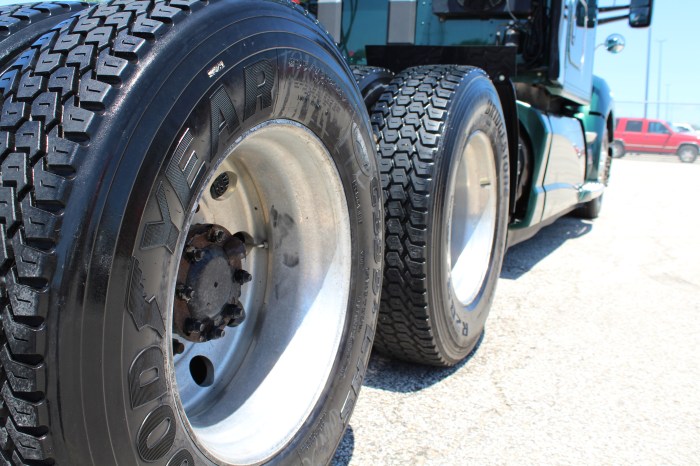
A double tire blowout on a truck is a serious event demanding immediate, controlled responses to prevent accidents. Maintaining composure and executing a series of decisive actions is crucial for the safety of the driver and others on the road. This section Artikels the essential steps to take in such a scenario.
The immediate priority is to maintain control of the vehicle and safely bring it to a stop. Avoid sudden braking or steering maneuvers, which can exacerbate the situation and lead to a loss of control. Instead, focus on gradually reducing speed while keeping the steering wheel steady.
Maintaining Vehicle Control During a Double Tire Blowout
The loss of two tires simultaneously will significantly impact the vehicle’s stability. The truck will likely pull sharply in the direction of the blown tires, potentially causing a swerve. To counteract this, the driver should firmly grip the steering wheel, avoiding any sudden movements. Gentle counter-steering may be necessary to correct the vehicle’s trajectory. Avoid braking hard, as this could lead to a skid or jackknife. Instead, gradually apply the brakes, using engine braking where possible to help slow the vehicle down. The driver should focus on maintaining a straight path, prioritizing a controlled stop over speed.
Safely Pulling Over After a Double Tire Blowout
Once the vehicle is under control and moving at a significantly reduced speed, activate the hazard lights to alert other drivers. Begin signaling your intention to pull over by using your turn signal. Carefully and gradually steer the vehicle towards the side of the road, ensuring you have sufficient space to pull over completely off the traveled portion of the road. Check your mirrors frequently to ensure that you are not obstructing other traffic. Select a level and stable area to park, away from traffic flow and any potential hazards such as ditches or obstacles. If possible, pull as far off the road as is safely possible.
Activating Hazard Lights and Warning Other Drivers
Activating hazard lights immediately is paramount. This provides a clear visual warning to other drivers that your vehicle is experiencing a problem and is moving at a reduced speed or is stationary. The bright flashing lights are easily noticeable, even from a distance, and significantly reduce the risk of a rear-end collision. Once safely parked, the next step is to increase the visibility of your disabled vehicle to oncoming traffic.
Warning Triangle Placement
Proper placement of warning triangles is critical for alerting approaching drivers to your vehicle’s presence. The triangles should be placed at a sufficient distance to provide ample warning time. The following table illustrates optimal placement depending on road conditions and visibility.
| Condition | Distance from Vehicle (Approximate) | Placement Notes | Image Description (Illustrative) |
|---|---|---|---|
| Clear Day, Good Visibility | 100-150 yards (90-135 meters) behind the vehicle | Place the triangle(s) on the side of the road where traffic is approaching. | A diagram showing a truck pulled to the side of the road, with three warning triangles spaced approximately 100-150 yards apart, placed to alert approaching traffic from the opposite direction. The triangles are depicted as bright orange equilateral triangles, easily visible against the road surface. |
| Overcast Day, Reduced Visibility | 50-75 yards (45-68 meters) behind the vehicle | Increase the number of triangles if visibility is severely impaired. | A similar diagram as above, but with the triangles placed closer together (50-75 yards) reflecting reduced visibility. Additional triangles might be shown to illustrate increased warning in low visibility conditions. |
| Nighttime, Low Visibility | 25-50 yards (23-46 meters) behind the vehicle | Use additional warning lights or flares if available. | A diagram depicting a nighttime scene with a truck parked on the side of the road. The triangles are placed very close to the vehicle (25-50 yards), and additional warning lights are illustrated, such as flashing amber lights on the truck itself or roadside flares emitting bright light. |
| Curved Road | Adjust placement based on curve’s severity | Place triangles to maximize visibility around the curve. | A diagram showing a truck parked on a curved road. The warning triangles are strategically placed around the curve to ensure visibility for drivers approaching from different angles. |
Assessing the Damage and Evaluating Next Steps
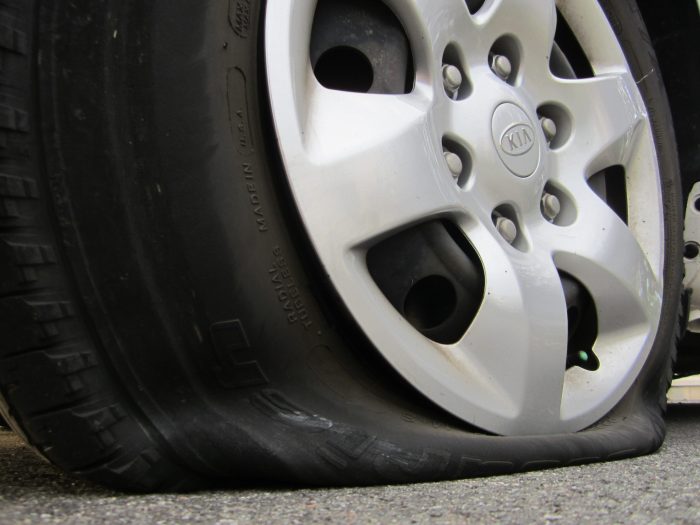
After securing the vehicle and attending to immediate safety concerns, a thorough assessment of the damage is crucial. This step will determine the best course of action, ranging from a temporary fix to requiring professional assistance. A calm and methodical approach is key to making informed decisions.
A visual inspection should be performed, carefully examining both damaged tires for the extent of the punctures or damage. Look beyond the tires themselves; inspect the rims for bends or cracks. Check the wheel wells and surrounding areas for any signs of impact or debris that may have caused the blowouts. Look for any damage to the suspension components, brake lines, or fuel lines. Any visible damage to these critical areas could significantly impact the drivability and safety of the vehicle.
Determining Drivability
The decision of whether to attempt driving the truck or call for towing hinges on several factors. The severity of the tire damage is paramount. A small puncture in a tire might allow for a slow, cautious drive to a nearby repair shop, especially if a spare tire is available. However, significant sidewall damage, shredded treads, or damage to the rim renders the tire unsafe and undrivable. Beyond tire condition, consider the overall condition of the truck. If the blowout caused additional damage to the suspension, brakes, or steering, driving the truck is extremely dangerous and should be avoided. Additionally, the distance to the nearest repair facility or your comfort level with driving a damaged vehicle will also influence this decision.
Decision Tree for Repair or Roadside Assistance
The following decision tree Artikels the steps to take in determining whether to attempt a temporary repair or call for roadside assistance:
- Is there significant damage to the rims or surrounding vehicle components (suspension, brakes, fuel lines)?
- Yes: Call for roadside assistance immediately. Driving is unsafe.
- No: Proceed to the next question.
- Is the damage limited to the tires themselves (no rim damage or other mechanical issues)?
- Yes: Proceed to the next question.
- No: Call for roadside assistance. Driving is unsafe.
- Do you have functioning spare tires and the necessary tools for a temporary repair (jack, lug wrench)?
- Yes: Assess the severity of the tire damage. If the damage is minor and you are comfortable with a temporary repair, proceed cautiously to a nearby repair facility. If the damage is severe, even with a spare, call for roadside assistance.
- No: Call for roadside assistance.
- Is the distance to the nearest repair facility short and the road conditions favorable?
- Yes: A cautious drive might be feasible with a spare. Prioritize safety; drive slowly and carefully.
- No: Call for roadside assistance.
Remember, safety is the top priority. Err on the side of caution; it’s always better to call for roadside assistance than to risk further damage or injury. A seemingly minor issue could quickly escalate into a more serious problem.
Safety Precautions and Preventative Measures
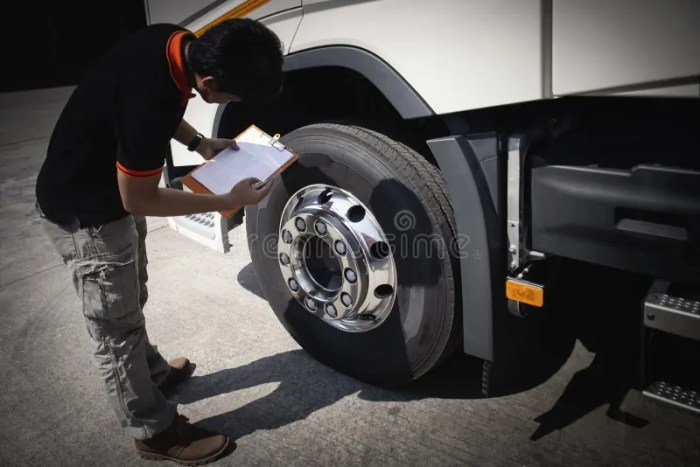
Preventing a double tire blowout is significantly easier than dealing with the aftermath. Proactive maintenance and preparedness are key to ensuring your safety and minimizing the risk of such a dangerous event. Regular checks and preventative measures dramatically reduce the likelihood of experiencing this serious driving hazard.
Regular tire maintenance is paramount to preventing blowouts. This involves a multi-pronged approach encompassing inflation, rotation, and thorough inspections. Neglecting any of these steps increases the probability of tire failure.
Proper Tire Inflation and Rotation
Maintaining the correct tire pressure is crucial. Underinflation causes excessive heat buildup and flexing, weakening the tire structure and increasing the risk of a blowout, particularly at higher speeds. Overinflation, while less common a cause of blowouts, can also lead to uneven wear and a harsher ride, ultimately impacting tire longevity. Consult your vehicle’s owner’s manual or the sticker located on the driver’s side doorjamb for the recommended tire pressure. Regularly check tire pressure using a reliable gauge, ideally when the tires are cold (before driving). Tire rotation, typically performed every 5,000-8,000 miles depending on driving conditions and tire type, ensures even wear across all tires, extending their lifespan and reducing the risk of premature failure. Rotating tires distributes wear and tear evenly, preventing one set of tires from wearing down faster than others.
Common Causes of Tire Blowouts and Preventative Measures
Several factors contribute to tire blowouts. These include underinflation, as previously mentioned, as well as impacts with road debris (such as potholes or sharp objects), excessive speed, and improper tire maintenance. Regular visual inspections for cuts, bulges, or embedded objects are essential. Driving at safe speeds, particularly on rough roads, helps mitigate the risk of impact damage. Avoiding overloading your truck is crucial as this puts undue stress on the tires. Proper wheel alignment is also important, as misalignment can cause uneven tire wear, increasing the chance of a blowout. Regularly checking the tread depth is vital. Tread wear indicators, small bars in the grooves of the tire, indicate when the tread is worn down to a dangerous level (typically 2/32 of an inch).
Essential Safety Equipment for Truck Drivers
Every truck driver should carry a comprehensive emergency kit. This kit should include:
- Spare Tire: A properly inflated spare tire of the correct size and type for your truck is essential. Knowing how to change a tire is a fundamental skill for any driver.
- Jack: A sturdy jack, appropriate for your truck’s weight and tire size, is necessary to lift the vehicle. Ensure you know how to safely position the jack to avoid damage to your vehicle’s undercarriage. Different jacks require different procedures. Familiarize yourself with your jack’s instructions.
- Lug Wrench: A lug wrench is used to loosen and tighten the lug nuts securing the wheel to the hub. Carry a wrench with a sufficient length handle to provide adequate leverage. A breaker bar may be needed for extremely tight lug nuts.
- Warning Triangles or Flares: These are crucial for alerting other drivers to your stopped vehicle, especially on highways or in areas with limited visibility. Place the triangles at a safe distance behind your truck to warn approaching traffic.
- Gloves: A pair of sturdy work gloves will protect your hands when changing a tire or handling other roadside equipment.
Remember: Safety is paramount. If you are uncomfortable changing a tire yourself, or if the situation seems unsafe, call for roadside assistance.
Ending Remarks
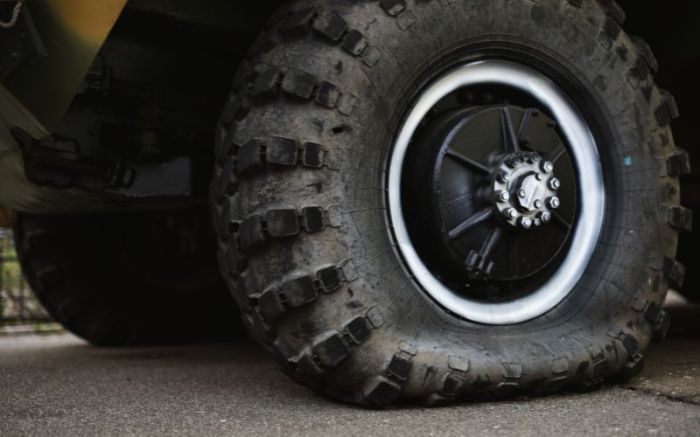
Successfully navigating a double tire blowout requires a combination of quick thinking, preparedness, and adherence to safety protocols. Regular tire maintenance, coupled with the knowledge of how to respond effectively to this type of emergency, is paramount to minimizing risks and ensuring your safety. Remember to prioritize your safety and the safety of others on the road. By being prepared and following the steps Artikeld in this guide, you can confidently handle this challenging situation.