Experiencing an unsettling bounce in your Mini Cooper? Don’t let a jarring ride ruin your driving experience. This guide delves into the seven most common causes of suspension bouncing in Mini Coopers, providing a clear, step-by-step approach to diagnosis and repair. We’ll equip you with the knowledge to identify the source of the problem, assess the damage, and implement effective solutions, whether it involves simple adjustments or more extensive component replacements.
From visually inspecting your suspension system to understanding the cost-effectiveness of repair versus replacement, we’ll cover everything you need to get your Mini Cooper back on the road smoothly. We’ll provide detailed explanations, visual aids (where applicable), and practical advice to help you navigate the process confidently. Get ready to regain control and enjoy a comfortable, stable ride.
Identifying the Source of Bouncing
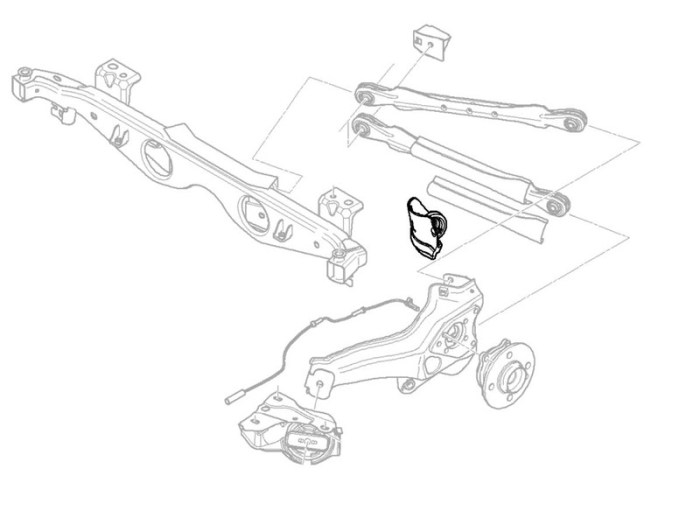
Experiencing suspension bouncing in your Mini Cooper can be unsettling. Pinpointing the cause is crucial for a safe and comfortable ride. This section details seven common culprits behind this issue, allowing you to better understand the problem and facilitate effective repair. We’ll explore each cause, its visual indicators, and the potential severity of the issue.
Understanding the source of the bouncing requires a careful examination of your Mini Cooper’s suspension system. This involves inspecting various components to identify the root cause of the problem. The symptoms can vary, making accurate diagnosis essential for efficient repairs.
Common Causes of Suspension Bouncing in Mini Coopers
Seven common causes contribute to suspension bouncing in Mini Coopers. These range from relatively minor issues to more significant problems requiring professional attention. A thorough inspection is key to identifying the correct problem.
| Cause | Symptoms | Severity | Potential Damage |
|---|---|---|---|
| Worn Shocks/Struts | Excessive bouncing after bumps, poor handling, noticeable sag in the suspension. Visually, you might see fluid leaks from the shock/strut. | Medium to High | Further suspension component damage, loss of control, potential accident. |
| Worn Springs | Uneven ride height, sagging suspension, excessive bouncing, particularly noticeable on one side of the car. Visually, the springs may appear flattened or broken. | Medium | Increased wear on other suspension components, poor handling. |
| Damaged or Worn Bushings | Clunking or knocking sounds when going over bumps, excessive bouncing, unstable handling, excessive tire wear. Visual inspection may reveal cracked or torn rubber. | Low to Medium | Increased wear on other suspension components, potential failure of other parts. |
| Worn or Damaged Control Arms | Excessive play in the suspension, knocking sounds, uneven tire wear, poor handling. Visual inspection may reveal cracks, bends, or excessive play in the joints. | High | Loss of control, potential accident, damage to other suspension components. |
| Faulty Sway Bar Links | Excessive body roll, unstable handling, knocking sounds from the suspension. Visual inspection might reveal broken or worn sway bar links. | Medium | Increased wear on other suspension components, reduced handling. |
| Incorrect Tire Pressure | Excessive bouncing, uneven tire wear, poor handling. This is easily checked with a tire pressure gauge. | Low | Increased tire wear, reduced fuel efficiency. |
| Damaged or Worn Ball Joints | Excessive play in the steering, knocking or clicking sounds, uneven tire wear, unstable handling. Visual inspection might reveal excessive play or damage to the ball joint. | High | Loss of control, potential accident, damage to other suspension components. |
Diagnosing and Assessing the Problem
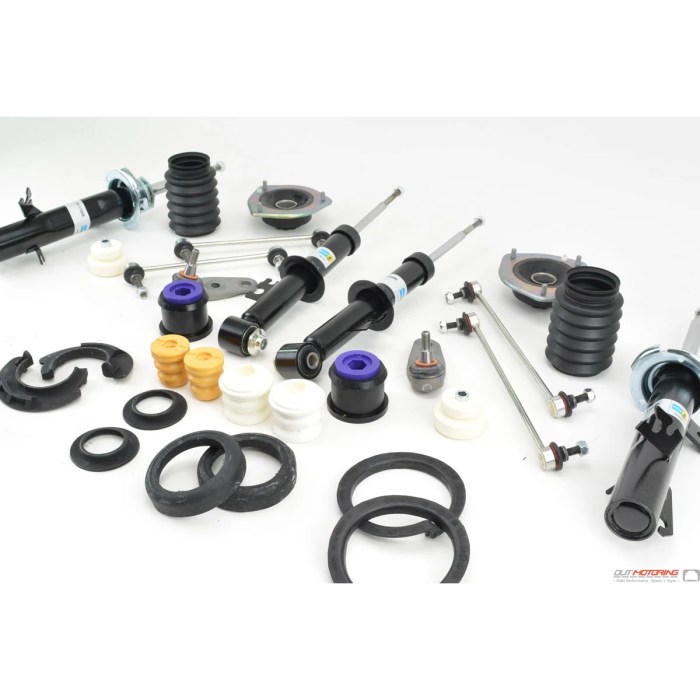
Before diving into potential solutions for your Mini Cooper’s bouncy ride, a thorough inspection of the suspension system is crucial. This step allows for accurate identification of the root cause, preventing unnecessary repairs and ensuring a lasting fix. A systematic approach will pinpoint the faulty component(s) and guide you towards the most effective solution.
A visual inspection of your Mini Cooper’s suspension components is the first step in diagnosing the bouncing issue. This involves carefully examining key parts for signs of wear, damage, or misalignment. Remember safety first; always work on a level surface with the car securely supported. Never work under a car supported only by a jack.
Visual Inspection Checklist and Procedures
The following checklist details the components to inspect and what to look for. Remember to compare each side of the car for symmetry, as inconsistencies can point to a problem.
- Shocks/Struts: Examine the shock absorbers or struts for leaks (oil stains or weeping fluid). Check for any dents, bends, or physical damage. Look for excessive corrosion. A severely damaged shock might show obvious signs of being bent or broken.
- Springs: Inspect the coil springs for any cracks, breaks, or sagging. Sagging springs often indicate fatigue and loss of spring rate. Compare the height of the springs on each corner of the vehicle for consistency. Significant differences suggest a problem with one or more springs.
- Bushings: Carefully examine the rubber bushings connecting suspension components. Look for cracks, tears, or excessive wear. Worn bushings will often be visibly deformed or separated from their mounts. Pay particular attention to control arm bushings, sway bar bushings, and those associated with the strut mounts.
- Suspension Mounts: Check the mounting points of the suspension components for any looseness, damage, or corrosion. Loose or damaged mounts can significantly impact suspension performance and contribute to bouncing.
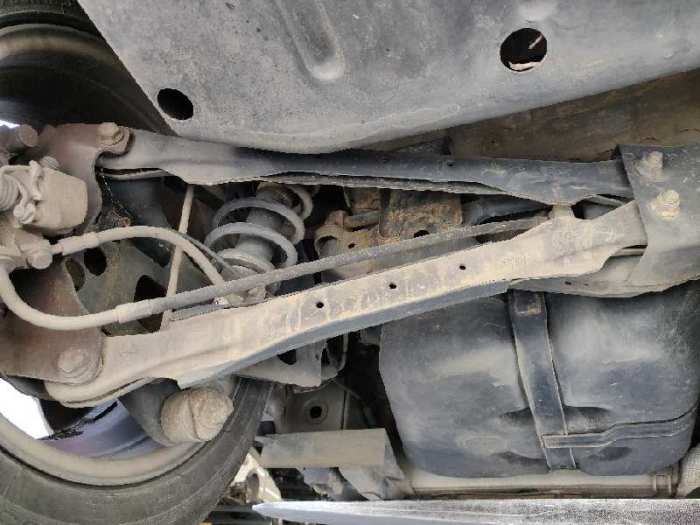
- Control Arms: Inspect the control arms for any bends, cracks, or excessive play. Worn ball joints within the control arms may exhibit play when moved manually (but only after proper safety precautions are taken and the vehicle is properly supported). Excessive play is a clear indication of wear.
- Sway Bar and Links: Inspect the sway bar for any bends or damage. Check the sway bar links for play or damage; worn links will often exhibit excessive movement when manually manipulated (after proper safety precautions and vehicle support).
- Tires: While not strictly part of the suspension, uneven tire wear or improperly inflated tires can contribute to a bouncy ride. Check tire pressure and tread depth, noting any irregularities in wear patterns.
Implementing Corrective Adjustments
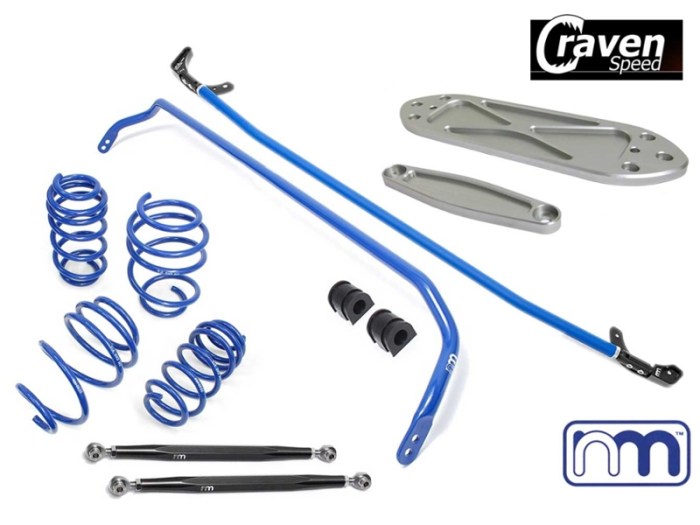
Addressing bouncing issues in your Mini Cooper’s suspension requires a systematic approach to repair or replacement. The choice between repair and replacement depends on the severity of the damage, the cost of parts and labor, and the overall condition of your suspension system. This section details the options available for each identified problem, emphasizing cost-effectiveness and providing guidance on proper installation techniques.
Repairing damaged components is often more cost-effective than complete replacement, particularly for minor issues. However, if the damage is extensive or compromises safety, replacement is the recommended course of action. Factors such as the age of your Mini Cooper and its overall mileage should also influence your decision. A vehicle nearing the end of its lifespan might not justify the expense of extensive repairs.
Worn Shocks and Struts Replacement
Replacing worn shocks and struts is a relatively straightforward process, though it requires some mechanical aptitude and the right tools. Failure to replace these crucial components can lead to unsafe handling and reduced vehicle control. The procedure typically involves removing the old units, compressing the new ones (using a spring compressor for safety!), and reinstalling them, ensuring proper alignment and torque. Torque specifications vary depending on the Mini Cooper model and year, so always consult your vehicle’s repair manual for precise values. For example, a typical torque specification for a strut mounting nut might be 70-80 ft-lbs. Improper tightening can lead to premature wear or failure. Visual inspection would reveal damaged seals, leaking fluid, or a generally worn appearance on the shock/strut body. New shocks and struts will exhibit a smooth, firm feel and lack visible damage.
Damaged or Worn Springs Replacement
Replacing springs involves disconnecting the old springs from the suspension assembly and carefully installing the new ones. This requires careful attention to alignment and proper compression to avoid injury. Spring compressors are essential for safety during this process. Again, consult your vehicle’s service manual for precise torque specifications and installation procedures. The cost-effectiveness of spring replacement versus repair is usually weighted towards replacement, as repairing a broken spring is generally not feasible. A visual inspection of the springs will reveal signs of fatigue, such as sagging, cracks, or broken coils. New springs will have a uniform shape and consistent coil spacing.
Worn Bushings Replacement
Bushings are relatively inexpensive components, but their failure can significantly impact handling and ride quality. Replacing worn bushings involves removing the old ones (often requiring specialized tools) and pressing in the new ones. Precision is crucial to ensure proper fit and alignment. The cost of bushing replacement is generally low, making repair the most cost-effective solution. However, if multiple bushings are worn, replacing them all at once is often advisable to avoid future issues. Visually inspecting bushings will show signs of cracking, tearing, or excessive play. New bushings will be smooth, firm, and show no signs of wear.
Improper Alignment Adjustment
Addressing alignment issues requires a professional alignment service. This involves using specialized equipment to measure and adjust the angles of your wheels to the manufacturer’s specifications. While this isn’t a DIY repair, it’s crucial for safe and efficient handling. The cost-effectiveness of alignment is high considering the impact on tire wear and vehicle safety. Ignoring alignment issues can lead to premature tire wear, reduced fuel economy, and compromised handling. A visual inspection might reveal uneven tire wear, but a proper alignment check requires professional tools and expertise.
Closure
Addressing suspension bouncing in your Mini Cooper effectively requires a systematic approach, combining careful inspection with informed decision-making regarding repairs or replacements. By following the steps Artikeld in this guide, you’ll be well-equipped to diagnose the issue, understand the potential costs, and implement the necessary corrections. Remember, a smooth ride is crucial for both comfort and safety, so don’t hesitate to address any suspension concerns promptly. With the right knowledge and a methodical approach, you can restore your Mini Cooper to its optimal driving condition.