Maintaining your boat’s exhaust system is crucial for safety and performance. Ignoring issues can lead to costly repairs and even dangerous situations. This guide tackles nine common exhaust problems, providing clear explanations of symptoms, causes, and severity. More importantly, we’ll explore six budget-friendly solutions, empowering you to address these issues effectively and affordably, keeping your boating adventures smooth and safe.
We’ll cover everything from identifying telltale signs of trouble to implementing practical, cost-effective fixes. Whether you’re a seasoned boater or a novice, understanding your exhaust system is key to preventative maintenance and avoiding expensive breakdowns. This comprehensive guide equips you with the knowledge and solutions to keep your boat running smoothly for years to come.
Identifying Boat Exhaust System Problems
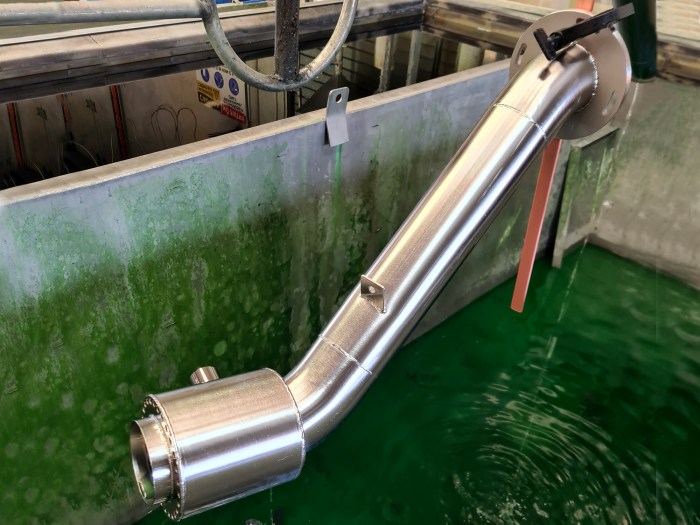
A properly functioning exhaust system is crucial for safe and efficient boat operation. Ignoring problems can lead to engine damage, environmental hazards, and even serious injury. Understanding the common issues and their symptoms is the first step towards effective maintenance and repair. This section details nine frequent problems, their causes, and the potential repercussions.
Nine Common Boat Exhaust System Problems
This section describes nine common problems affecting boat exhaust systems, providing a detailed overview of their symptoms, causes, and potential consequences. Early detection and appropriate action are key to preventing more extensive and costly repairs.
| Problem | Symptoms | Likely Causes | Severity |
|---|---|---|---|
| Exhaust Manifold Crack | Exhaust fumes in the engine compartment, loss of engine power, unusual engine noise. | Corrosion, overheating, vibration, manufacturing defects. | High – Can lead to engine damage and fire. |
| Exhaust Hose Collapse | Restricted exhaust flow, loss of engine power, overheating. | Kinking, crushing, vacuum pressure inside the hose. | Medium – Can lead to engine overheating and damage. |
| Exhaust Y-Pipe Issues | Similar to exhaust manifold crack, but often affecting multiple cylinders. | Corrosion, fatigue, impact damage. | High – Can lead to engine damage and fire. |
| Clogged Exhaust System | Reduced engine performance, black smoke from exhaust, unusual engine noise. | Buildup of carbon deposits, debris, or corrosion. | Medium – Can lead to engine overheating and damage. |
| Exhaust Valve Problems | Rough engine running, loss of power, backfiring. | Worn valves, sticking valves, incorrect valve adjustment. | Medium – Can lead to engine damage if not addressed. |
| Exhaust Muffler Issues | Loud exhaust noise, increased back pressure. | Corrosion, damage, blockage. | Low – Primarily a noise and performance issue. |
| Leaks in the Exhaust System | Exhaust fumes escaping, water ingress into the exhaust system. | Cracks, holes, loose connections. | Medium – Can lead to corrosion and reduced performance. |
| Improper Exhaust System Alignment | Excessive vibration, unusual noise, potential for exhaust system failure. | Incorrect installation, engine movement. | Medium – Can lead to premature wear and failure. |
| Incorrect Exhaust Back Pressure | Loss of power, overheating, excessive smoke. | Restricted exhaust flow, faulty components. | High – Can lead to significant engine damage. |
Illustrated Guide to Boat Exhaust System Problems
Visual representations aid in understanding the location and nature of each problem.
Exhaust Manifold Crack: The illustration shows a cracked exhaust manifold, with a large, jagged crack depicted across one of the manifold runners. A red highlight emphasizes the crack. Exhaust gases are depicted leaking from the crack. The manifold is shown in a realistic style, with visible bolts and connections.
Exhaust Hose Collapse: A section of the exhaust hose is shown severely flattened and constricted, dramatically reducing the diameter. An arrow points to the collapsed area. The hose is shown as a flexible, rubber material, with its texture and flexibility emphasized. The surrounding engine components are represented in a simplified manner.
Exhaust Y-Pipe Issues: The illustration features a Y-shaped pipe with a significant rust area and a visible hole near the junction. The rust is shown as a reddish-brown discoloration, and the hole is clearly visible, with exhaust gases escaping. The overall condition of the Y-pipe is depicted as worn and corroded.
Clogged Exhaust System: The illustration displays a partially blocked exhaust pipe, with a significant buildup of dark, thick material inside the pipe. The material is depicted as obstructing the flow of exhaust gases. The pipe itself is shown as a metal tube, with a section cut away to show the interior blockage.
Exhaust Valve Problems: A cutaway view of an engine cylinder shows a stuck or malfunctioning exhaust valve. The valve is depicted in a position that prevents it from fully closing, with an arrow highlighting this issue. The surrounding components are simplified for clarity, focusing on the valve mechanism.
Exhaust Muffler Issues: The illustration depicts a corroded and damaged exhaust muffler, with significant rust and holes shown on its surface. The muffler is shown as a cylindrical metal component, with the holes allowing the escape of exhaust gases. The overall condition is clearly depicted as deteriorated.
Leaks in the Exhaust System: The illustration shows a small hole in the exhaust pipe, with a stream of exhaust gases escaping. The hole is clearly marked, and the exhaust gases are depicted in a realistic manner. The surrounding components are shown in a simplified way to focus attention on the leak.
Improper Exhaust System Alignment: The illustration displays an exhaust pipe that is misaligned, with a noticeable gap or offset between the pipe and the engine. The misalignment is exaggerated to clearly demonstrate the problem. The components are shown in a relatively simplified manner.
Incorrect Exhaust Back Pressure: The illustration shows a pressure gauge connected to the exhaust system, indicating an abnormally high reading. The gauge is depicted with a clearly visible needle pointing to a high pressure level. The exhaust pipe itself is shown with a simplified representation of the back pressure.
Budget-Friendly Solutions for Boat Exhaust Issues
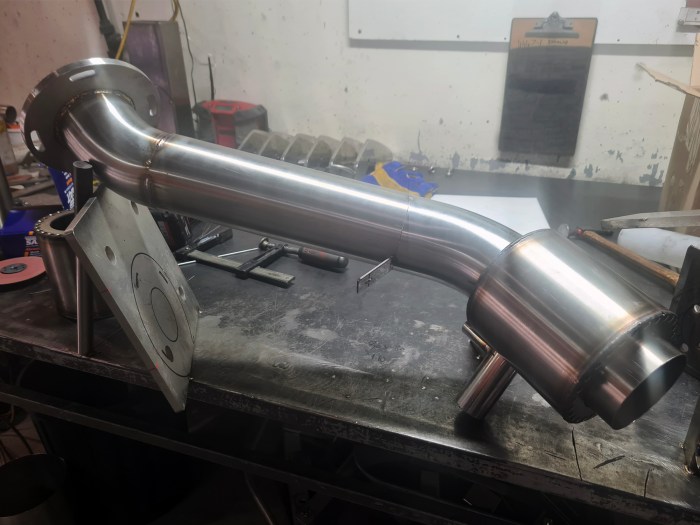
Addressing boat exhaust problems doesn’t always require a hefty repair bill. Many issues can be resolved with inexpensive parts and a bit of DIY know-how. The following solutions offer effective and affordable ways to tackle common exhaust system malfunctions, extending the life of your boat’s engine and ensuring safe operation. Remember to always prioritize safety and consult your boat’s manual before attempting any repairs.
Six Budget-Friendly Solutions for Boat Exhaust System Problems
The following table Artikels six cost-effective solutions, detailing the necessary materials, step-by-step procedures, and estimated costs. These costs are estimates and may vary depending on location and the specific materials used. Always source parts from reputable suppliers to ensure quality and compatibility.
| Solution | Materials Needed | Procedure Summary | Estimated Cost |
|---|---|---|---|
| Replacing a Damaged Exhaust Hose | New exhaust hose (appropriate diameter and length), hose clamps | 1. Disconnect the damaged hose. 2. Carefully measure the required length for the replacement hose. 3. Attach the new hose securely using hose clamps, ensuring a tight seal to prevent leaks. 4. Reconnect the hose to the exhaust system. | $20 – $50 |
| Repairing a Small Exhaust Leak with Marine-Grade Sealant | Marine-grade sealant (appropriate for exhaust systems), cleaning supplies (brush, rags) | 1. Clean the area around the leak thoroughly. 2. Apply the sealant according to the manufacturer’s instructions, ensuring complete coverage of the leak. 3. Allow the sealant to cure completely before restarting the engine. | $10 – $25 |
| Replacing a Loose or Damaged Exhaust Clamp | Replacement exhaust clamp (appropriate size), wrench | 1. Loosen the old clamp. 2. Remove the old clamp. 3. Carefully install the new clamp, ensuring it is properly tightened to secure the exhaust components. | $5 – $15 |
| Cleaning a Clogged Exhaust System (Minor Clogging) | High-pressure water hose, appropriate nozzle | 1. Disconnect the exhaust system components as needed (consult your boat’s manual). 2. Carefully flush the system with high-pressure water, removing any debris or buildup. 3. Reassemble the system and check for leaks. | $0 – $10 (if you already own a pressure washer) |
| Replacing a corroded exhaust fitting | Replacement exhaust fitting (brass or stainless steel recommended), Teflon tape, wrench | 1. Carefully remove the corroded fitting. 2. Clean the threads of the pipe thoroughly. 3. Wrap Teflon tape around the threads of the new fitting. 4. Install the new fitting, ensuring a secure and leak-free connection. | $15 – $40 |
| Temporary Exhaust Patch (for minor leaks only) | Heavy-duty duct tape (or a similar strong, waterproof tape), clean rags | 1. Clean the area around the leak. 2. Apply multiple layers of duct tape, ensuring complete coverage of the leak. 3. This is a temporary fix and should be replaced with a more permanent solution as soon as possible. | $5 – $10 |
Pros and Cons of Budget-Friendly Solutions
Each budget-friendly solution offers advantages and disadvantages. For instance, replacing a damaged exhaust hose is relatively straightforward and effective, offering a long-term solution, but requires some mechanical aptitude. Using marine-grade sealant is quick and easy for minor leaks, but might not be as durable as a full replacement. A temporary patch with duct tape provides an immediate solution to a small leak but is only a short-term fix and needs to be replaced with a more permanent solution quickly. Consider the longevity, ease of implementation, and effectiveness of each solution when choosing the best approach for your specific situation. Always prioritize safety and consult a professional if you are unsure about any repair.
Troubleshooting and Preventative Maintenance
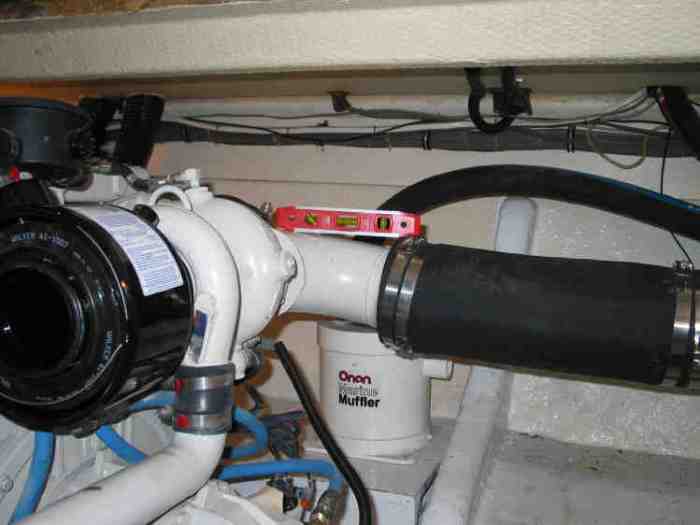
Proactive maintenance is crucial for extending the lifespan of your boat’s exhaust system and preventing costly repairs. Regular inspections and cleaning significantly reduce the risk of breakdowns and ensure the safe and efficient operation of your engine. Neglecting these tasks can lead to more serious, and expensive, problems down the line.
Preventative maintenance strategies focus on early detection and mitigation of potential issues. This involves a scheduled inspection and cleaning regime, alongside awareness of common problems and their symptoms. A well-maintained exhaust system not only performs better but also contributes to a safer boating experience.
Preventative Maintenance Schedule and Procedures
A regular maintenance schedule helps identify and address minor issues before they escalate into major problems. This schedule should be adapted to your boat’s usage and the environmental conditions in which it operates. More frequent checks are recommended for boats used extensively in saltwater or areas with heavy weed growth.
- Monthly Inspection: Visually inspect the entire exhaust system for any signs of corrosion, leaks, blockages, or damage. Check all clamps and connections for tightness. Pay close attention to areas prone to wear, such as bends and joints.
- Annual Cleaning: Thoroughly clean the exhaust system using a suitable cleaning solution and a long brush or auger to remove any accumulated debris, such as salt deposits, algae, or other organic matter. For boats frequently used in saltwater environments, this cleaning should be more frequent, potentially every six months.
- Bi-Annual Professional Inspection (Recommended): Consider a professional inspection every two years to identify potential problems that may not be readily apparent during routine checks. A professional can provide a comprehensive assessment and recommend any necessary repairs or replacements.
Exhaust System Troubleshooting Flowchart
A systematic approach to troubleshooting can significantly reduce the time and effort required to diagnose and resolve exhaust system problems. The following flowchart illustrates a logical sequence for identifying common issues.
Imagine a flowchart here: The flowchart would start with a “Problem Detected?” Yes/No decision point. A “Yes” branch would lead to a series of questions, such as “Is the engine losing power?” or “Is there excessive smoke/water?” Each question would branch to another question or a potential diagnosis (e.g., clogged exhaust, leaking manifold, etc.). A “No” branch would lead to “Continue Normal Operation.” Each diagnosis would then branch to a recommended solution.
Diagnosing a Clogged Exhaust
A clogged exhaust is a common problem, often caused by debris accumulation. Here’s a step-by-step guide to diagnose and resolve this issue.
- Visual Inspection: Carefully examine the exhaust system for visible obstructions. Use a flashlight to inspect hard-to-reach areas. Look for any obvious blockages like seaweed, fishing line, or other debris.
- Pressure Test (If Possible): If you have access to an air compressor, carefully introduce compressed air into the exhaust system. Listen for escaping air and note any resistance. Escaping air indicates a leak; significant resistance suggests a blockage. *Caution:* Use low pressure to avoid damage to the exhaust system.
- Water Flush (If Applicable): If your boat has a dedicated water flush system for the exhaust, use it to try and clear the blockage. Observe the flow of water for any signs of restriction.
- Mechanical Removal: If the blockage is identified, use a long, flexible auger or brush to carefully remove the obstruction. Work slowly and gently to avoid damaging the exhaust system. For stubborn blockages, you may need specialized tools.
Ending Remarks

Addressing boat exhaust problems promptly is vital for both safety and the longevity of your vessel. By understanding the common issues, their causes, and implementing the budget-friendly solutions Artikeld, you can significantly reduce the risk of costly repairs and ensure your boating experiences remain enjoyable and worry-free. Regular preventative maintenance, as detailed, is your best defense against future problems. So, equip yourself with this knowledge and navigate the waters with confidence!