Stranded on a trail with a dead ATV battery? Knowing how to diagnose and fix common electrical issues is crucial for any off-road enthusiast. This guide provides practical, field-tested solutions for five frequent electrical problems, empowering you to overcome challenges and enjoy uninterrupted adventures. We’ll cover everything from troubleshooting dead batteries to tackling more complex issues like faulty charging systems and problematic ignition systems.
Through clear explanations, detailed steps, and preventative maintenance strategies, you’ll gain the confidence to handle electrical repairs, minimizing downtime and maximizing your time on the trails. Whether you’re a seasoned ATV rider or a relative newcomer, this guide offers valuable knowledge to enhance your off-road experience and ensure reliable performance.
Common ATV Electrical Problems & Troubleshooting Steps
Keeping your ATV’s electrical system in top shape is crucial for reliable operation and safety on the trails. Ignoring electrical issues can lead to breakdowns and potentially dangerous situations. This section details five common electrical problems encountered in ATVs, along with practical troubleshooting steps to help you diagnose and resolve them. Understanding these issues will empower you to perform basic maintenance and avoid costly repairs.
Dead Batteries
A dead battery is a frequent ATV problem, often stemming from parasitic drains (small electrical draws even when the ATV is off), corrosion on terminals, or simply age. Troubleshooting involves visually inspecting the battery terminals for corrosion and loose connections. Clean the terminals with a wire brush and baking soda solution, ensuring tight connections. A multimeter can then be used to check the battery voltage. A healthy battery should register around 12.6 volts when fully charged. If the voltage is significantly lower, the battery may need charging or replacement.
Faulty Charging Systems
The charging system, comprising the stator, voltage regulator, and battery, ensures the battery remains charged while the engine runs. A malfunctioning charging system will lead to a continuously draining battery. Troubleshooting starts with a multimeter check of the battery voltage while the engine is running. The voltage should be around 13.5-14.5 volts. Lower voltage indicates a problem with the stator, regulator, or wiring. Further testing involves checking the stator’s AC output and the regulator’s DC output using a multimeter.
Malfunctioning Lights
Problems with headlights, taillights, brake lights, and turn signals are common. Troubleshooting begins with a visual inspection of bulbs, fuses, and wiring for damage or loose connections. Check the fuses with a multimeter to confirm they are intact. Replace any blown bulbs and repair any damaged wiring. If the problem persists, the issue may lie within the switch or wiring harness.
Problematic Ignition Systems
Ignition system failures can prevent the ATV from starting. Common causes include faulty ignition coils, ignition switches, or wiring issues. Troubleshooting involves visually inspecting the ignition coil for damage and checking its resistance using a multimeter. The ignition switch can be tested for continuity. Inspect the wiring for any breaks or shorts. A weak spark from the spark plug could also indicate a failing coil.
Wiring Problems
Loose, corroded, or damaged wiring can cause a range of electrical problems. A thorough visual inspection of all wiring harnesses and connections is essential. Look for frayed wires, corrosion, and loose connections. Repair any damaged wiring using appropriate connectors and electrical tape. A multimeter can be used to check for continuity in circuits and to identify shorts or open circuits.
| Problem | Symptoms | Causes | Troubleshooting Steps |
|---|---|---|---|
| Dead Battery | ATV won’t start, dim lights | Parasitic drain, corrosion, age | Inspect terminals, check voltage with multimeter, charge or replace battery |
| Faulty Charging System | Battery drains quickly, low voltage while running | Faulty stator, regulator, wiring | Check battery voltage while running, test stator and regulator output with multimeter |
| Malfunctioning Lights | Lights don’t work, intermittent lights | Blown bulbs, blown fuses, damaged wiring | Inspect bulbs, fuses, and wiring, replace blown bulbs and fuses, repair wiring |
| Problematic Ignition System | ATV won’t start, no spark | Faulty ignition coil, switch, or wiring | Inspect coil and switch, check resistance with multimeter, inspect wiring |
| Wiring Problems | Various electrical malfunctions | Loose, corroded, or damaged wiring | Visually inspect wiring, repair or replace damaged wiring, check continuity with multimeter |
Trail-Tested Repair Techniques & Preventative Maintenance
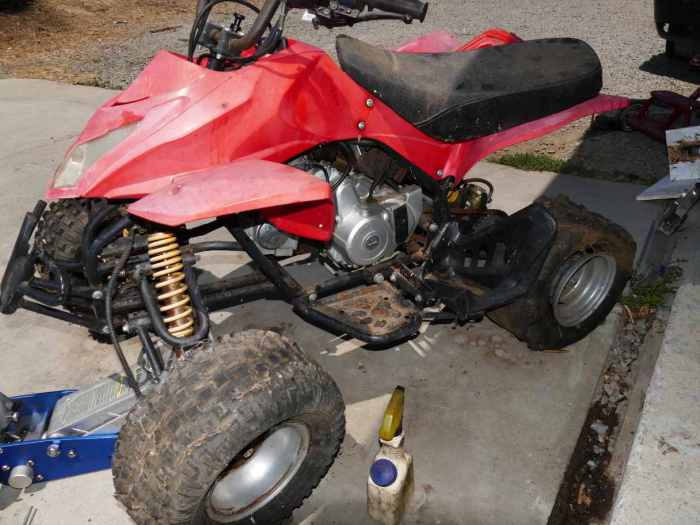
Addressing electrical issues on the trail requires a blend of practical know-how and preventative measures. This section details nine field-applicable repair techniques for common ATV electrical problems, followed by a preventative maintenance strategy to minimize future occurrences. The focus is on solutions readily implemented in challenging off-road environments.
This section Artikels practical, trail-side solutions for resolving common ATV electrical problems, coupled with a proactive maintenance plan designed to minimize these issues. These techniques prioritize simplicity and readily available materials, ideal for remote repairs.
Trail-Side Repair Techniques for Common ATV Electrical Problems
The following nine techniques offer practical, on-the-spot solutions for resolving typical ATV electrical malfunctions. These methods emphasize simplicity and the use of readily available materials, making them ideal for remote repairs. Remember safety first – always disconnect the battery before working on any electrical component.
- Loose Connections: Inspect all wire connections for corrosion or looseness. Tighten loose connections and clean corroded terminals with a wire brush and dielectric grease. This simple fix often resolves intermittent electrical issues.
- Blown Fuses: Locate the blown fuse (often found in a fuse box under the seat or near the battery). Replace the blown fuse with one of the same amperage rating. If the new fuse blows immediately, there’s a more significant electrical problem requiring further investigation.
- Dead Battery: If the battery is completely dead, try jump-starting it with another ATV or vehicle. Ensure correct positive (+) and negative (-) connections to avoid sparks or damage. If jump-starting fails, the battery may need replacing.
- Faulty Switch: If a switch (lights, starter, etc.) isn’t working, visually inspect it for damage. Try cleaning the switch contacts with electrical contact cleaner. If the problem persists, the switch may need replacement.
- Wiring Issues: Check for damaged or frayed wiring. Repair minor damage with electrical tape, ensuring proper insulation. For significant damage, replacement wiring may be necessary.
- Short Circuits: A short circuit can cause a blown fuse or even a fire. Carefully trace wiring for any exposed wires touching metal parts. Insulate any exposed wires to prevent shorts.
- Ground Issues: A poor ground connection can cause erratic electrical behavior. Clean the ground connection points on the chassis and battery. Ensure a secure connection.
- Alternator Problems: If the battery consistently drains despite charging, the alternator may be faulty. This usually requires professional repair or replacement.
- Lighting Problems: Check bulbs for burnout. Replace burnt-out bulbs with the correct type and wattage. Ensure the bulb sockets are clean and making good contact.
Preventative Maintenance for ATV Electrical Systems
Regular preventative maintenance significantly reduces the likelihood of electrical problems. A proactive approach minimizes downtime and ensures reliable operation.
A schedule of regular checks and cleaning is crucial for maintaining your ATV’s electrical system. This preventative maintenance will save you time and potential frustration down the line.
- Monthly Inspection: Visually inspect all wiring, connections, and components for damage, corrosion, or looseness. Tighten any loose connections and clean corroded terminals with a wire brush and dielectric grease.
- Quarterly Cleaning: Thoroughly clean the battery terminals and surrounding area with a battery terminal cleaner. Apply dielectric grease to the terminals after cleaning to prevent corrosion.
- Annual Service: Have a professional mechanic perform a comprehensive inspection of the entire electrical system, including the battery, alternator, starter, and wiring harness. This includes load testing the battery and checking the charging system’s output.
- Battery Care: Regularly check the electrolyte level (if applicable) and keep the battery terminals clean and corrosion-free. Consider using a battery tender during periods of inactivity to maintain a full charge.
Advanced Diagnostics & Repair Procedures for ATV Electrical Systems
Troubleshooting complex ATV electrical issues often requires a deeper understanding of the system’s architecture and component functionality. This section delves into advanced diagnostic techniques and provides step-by-step guides for replacing key electrical components. Mastering these procedures will significantly improve your ability to diagnose and resolve a wider range of electrical problems.
Using Wiring Diagrams for Circuit Tracing
Understanding and utilizing your ATV’s wiring diagram is crucial for tracing faulty circuits. A wiring diagram is a visual representation of the electrical system, showing how all the components are connected. It uses standardized symbols to represent components like batteries, switches, lights, and relays, along with the wires connecting them. By systematically following the paths indicated on the diagram, you can pinpoint the location of a break or short circuit in the wiring. For instance, if your headlight is not working, you can trace the circuit from the battery, through the headlight switch, to the headlight itself, checking for continuity at each point. A multimeter is essential for this process, allowing you to test for voltage, current, and continuity along the circuit path.
Battery Replacement
The ATV battery, typically a 12-volt lead-acid battery, provides the primary power source for the electrical system. It’s characterized by its rectangular shape, terminal posts (positive and negative), and case made of durable plastic. A failing battery may exhibit symptoms such as slow cranking, dimming lights, or complete electrical failure.
- Safety Precautions: Always wear safety glasses and gloves. Disconnect the negative (-) terminal first to prevent accidental short circuits.
- Tools Required: Wrench or socket to remove the battery terminals, and potentially a battery tie-down strap.
- Procedure:
- Disconnect the negative (-) terminal.
- Disconnect the positive (+) terminal.
- Remove the battery hold-down.
- Carefully lift out the old battery.
- Install the new battery, ensuring correct orientation.
- Secure the battery with the hold-down.
- Connect the positive (+) terminal.
- Connect the negative (-) terminal.
Alternator Replacement
The alternator is responsible for charging the battery while the engine is running. It’s typically a cylindrical component with a pulley and multiple wires connected to it. A malfunctioning alternator will result in a constantly discharging battery, even with the engine running.
- Safety Precautions:
Always disconnect the battery’s negative terminal before starting any alternator work to prevent electrical shocks. The alternator’s components can be hot when the engine is running; allow it to cool down before handling.
- Tools Required: Wrenches or sockets appropriate for the alternator mounting bolts, and possibly a pulley puller.
- Procedure:
- Disconnect the battery’s negative terminal.
- Remove the alternator’s wiring harness connectors.
- Remove the alternator mounting bolts.
- Carefully remove the alternator.
- Install the new alternator, ensuring correct alignment.
- Secure the alternator with mounting bolts.
- Reconnect the wiring harness connectors.
- Reconnect the battery’s negative terminal.
Switch Replacement
Switches control various electrical components, such as headlights, turn signals, and horns. They typically have a rectangular or circular shape with connecting terminals and an actuator (button or lever). A faulty switch might result in a component not working or operating erratically.
- Safety Precautions: Always disconnect the battery’s negative terminal before replacing switches to prevent short circuits.
- Tools Required: Screwdrivers (Phillips or flathead), depending on the switch’s mounting.
- Procedure:
- Disconnect the battery’s negative terminal.
- Remove the switch’s mounting screws or clips.
- Disconnect the wiring harness connectors from the old switch.
- Install the new switch, ensuring correct orientation.
- Reconnect the wiring harness connectors.
- Secure the switch with mounting screws or clips.
- Reconnect the battery’s negative terminal.
Final Wrap-Up
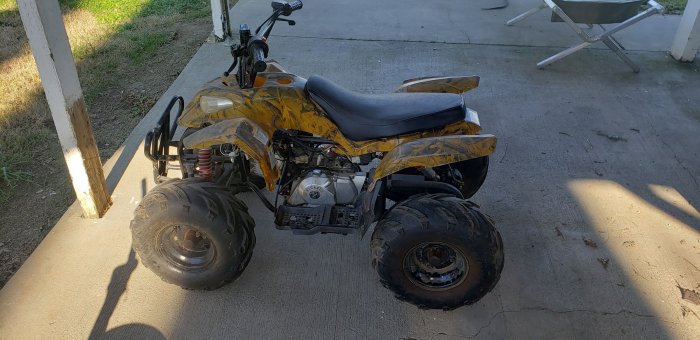
Mastering basic ATV electrical repair isn’t just about fixing problems; it’s about gaining independence and confidence on the trail. By understanding the common causes of electrical failures and implementing preventative maintenance, you can significantly reduce the likelihood of breakdowns. This guide equips you with the knowledge and practical techniques to tackle common electrical issues effectively, ensuring your ATV remains a reliable companion for years to come. Remember safety first; always disconnect the battery before working on your ATV’s electrical system.